The silicon never changed, yet everything feels quicker. Where that improvement actually comes from.
- The same hardware can feel faster without any physical change.
- Improvements often come from smarter software, not new silicon.
- Better translation means less wasted effort for the same result.
- Perceived speed is shaped as much by software as by raw power.
There is a small, pleasant mystery that many people notice over the life of a device. Nothing physical has changed. The same chips sit in the same places, drawing power the way they always have. And yet, one day, the machine simply feels quicker. Programs open with less hesitation, scenes settle into place sooner, and the whole experience seems to breathe a little more easily.
The explanation rarely lives in the hardware. It lives in the software that speaks to the hardware on your behalf, and especially in the driver, the patient interpreter standing between the operating system and each component.
The hardware was never the whole story
A physical component is a bundle of potential. It can perform an enormous range of operations, but it does not decide on its own which operations to use, or in what order, or how to weave them together. Those decisions are made by the software that instructs it. The driver translates the system's general requests into the precise vocabulary a particular component understands, and the quality of that translation shapes how much of the hardware's potential is actually reached.
Two drivers can ask the same component to accomplish the same task and arrive at very different results. One might take a long, cautious route, checking and rechecking at every step. Another might know a shorter path that produces the identical outcome with far less effort. The component is indifferent. It simply does what it is told, as quickly as the instructions allow.
Where the new speed comes from
When the same hardware begins to feel faster, the improvement usually traces back to one or more quiet refinements in the layers above the silicon.
- 1Smarter instructions: A revised driver may have learned a more efficient sequence for a common task, replacing a roundabout method with a direct one.
- 1Better timing: Work can be scheduled so the component spends less time waiting and more time doing, smoothing out the small pauses that once added up.
- 1Less wasted motion: Redundant steps get trimmed away, so the component is no longer asked to compute things that will never be seen or used.
- 1Gentler cooperation: The system and the component fall into a steadier rhythm, with fewer interruptions and less back-and-forth that slows everything down.
Where you actually notice the difference
These refinements are abstract until you feel them in ordinary use, which is where they truly matter. The same hardware feeling faster usually shows up in a handful of familiar moments:
- 1The gap between asking for a program and seeing it ready, which can shrink as the work behind it is streamlined.
- 1The smoothness of motion on screen, where a steadier rhythm replaces small, distracting hitches.
- 1The speed of switching between tasks, as the system learns to set work aside and pick it back up more gracefully.
- 1The way the machine holds up under load, staying composed when several things happen at once instead of stumbling.
None of these requires a faster chip. Each one reflects a better-organized conversation with the chip you already have, which is why the improvement can feel almost like getting a new device without replacing anything.
Perception is part of performance
It is worth saying plainly that feeling faster and being faster are not always the same measurement, and both matter. A great deal of perceived speed comes from responsiveness, the sense that the machine answers the moment you ask. A refined driver can prioritize the work you are waiting on, so that a click or a keystroke is acknowledged immediately, even if some heavier task continues quietly in the background. The total amount of work may be unchanged, yet the experience improves because attention has been placed where a person actually notices it.
This is why two machines with identical components can feel so different in daily use. The arrangement of the work, not just the raw capability, determines whether the experience feels calm or strained.
Why the gains tend to arrive gradually
The reason this improvement comes in waves rather than all at once is simple: understanding a component deeply takes time, and the lessons accumulate. A few patterns explain the slow, steady nature of it:
- 1Early instructions are written to be safe and correct before they are written to be fast.
- 1Real use reveals which paths are smooth and which are unexpectedly costly, knowledge no one had on the first day.
- 1Each refinement builds on the last, so progress compounds quietly over months.
- 1As the kinds of work people do shift, the instructions can be retuned to match, finding fresh efficiency in old hardware.
This is why the experience of a device often improves in gentle steps rather than a single leap. Each step reflects a little more understanding poured into the translation layer, and because that understanding tends to accumulate, the machine can keep feeling a touch more capable long after you have stopped expecting it to. There is nothing exotic in this. It is the ordinary result of patient attention paid to the same hardware over time.
A reassuring takeaway
If your hardware seems to have found a second wind, there is nothing mysterious or fragile about it. You are simply benefiting from accumulated craftsmanship in the translation layer, the result of people studying how a component behaves and teaching the software to ask for things more wisely.
It is also a comfort to know the reverse is true. Because so much of the experience depends on software, a machine is not frozen at the speed it had on its first day. The same silicon can keep improving as the instructions guiding it grow more refined.
This site is purely educational and does not host or link to any files to install. The aim here is only to explain why the thing on your desk can quietly grow more capable without a single screw being turned, and why that is a perfectly ordinary, well-understood part of how modern computers work.
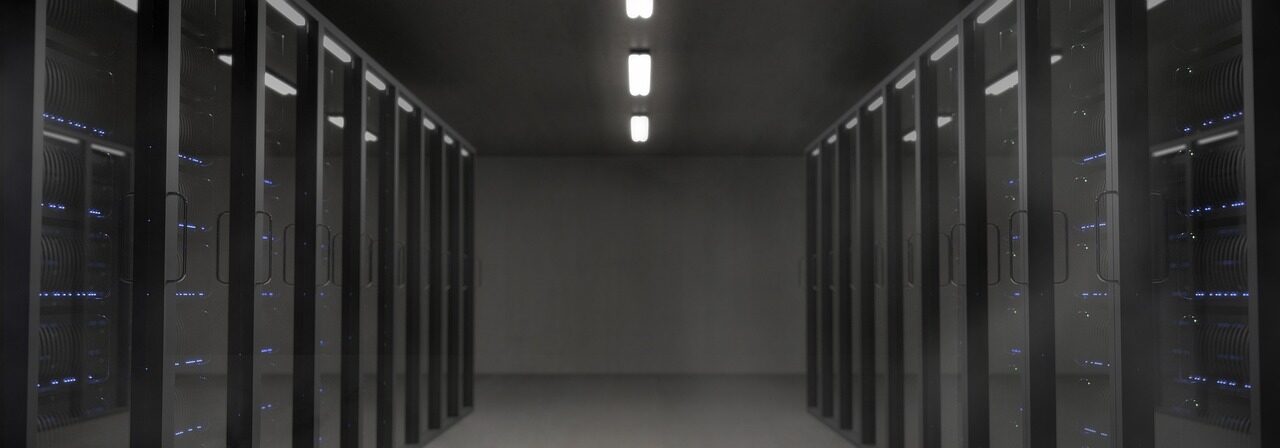
How can speed improve if the hardware is the same?
Software can find more efficient ways to ask for work, so the same hardware spends less effort on each task. The result feels quicker even though nothing physical changed.
Is this kind of improvement reliable?
It can be, when the gains come from genuinely doing less unnecessary work. Careful measurement is what separates a real improvement from a lucky coincidence.