Firmware
Small, durable software that lives on a component itself, guiding its most basic behaviour.

The physical components of a computer that software ultimately needs to direct.
The physical components of a computer that software ultimately needs to direct.
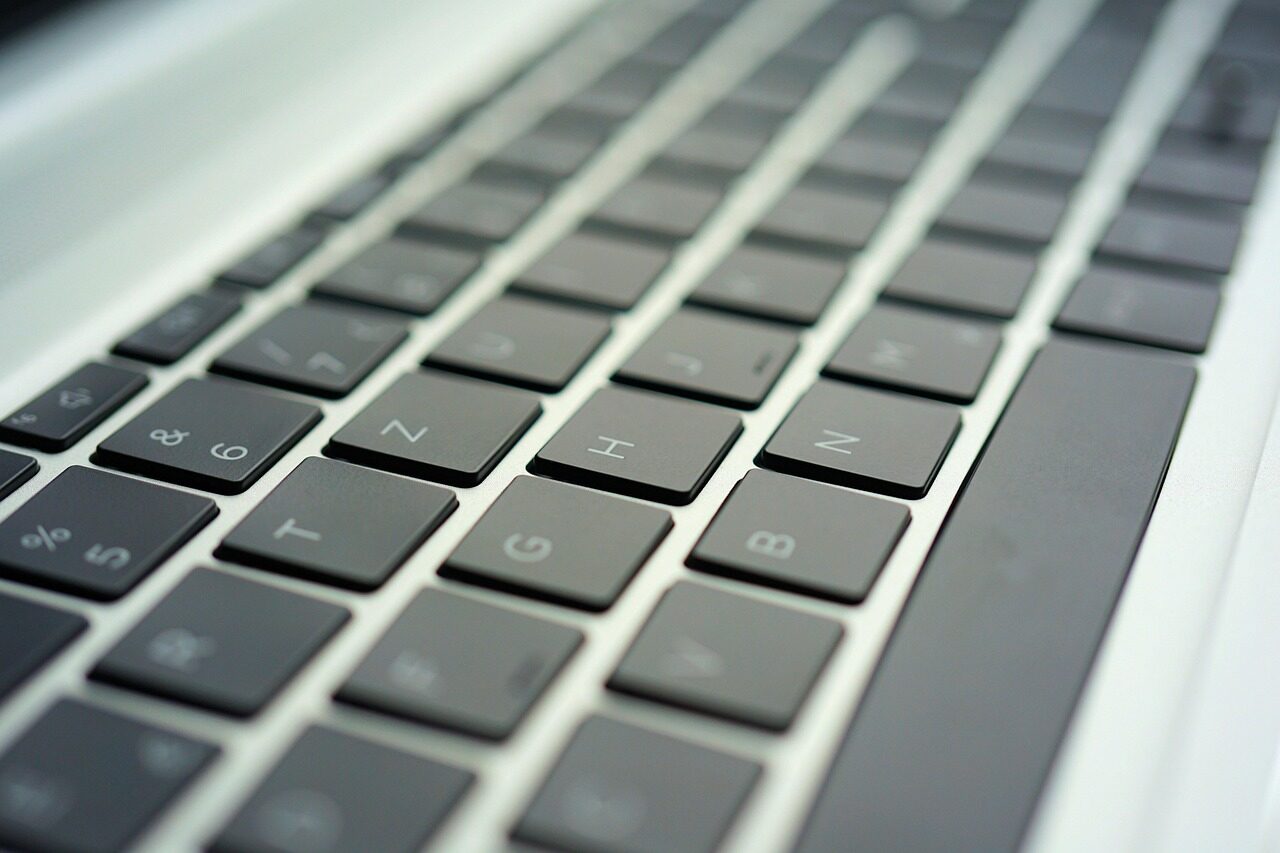
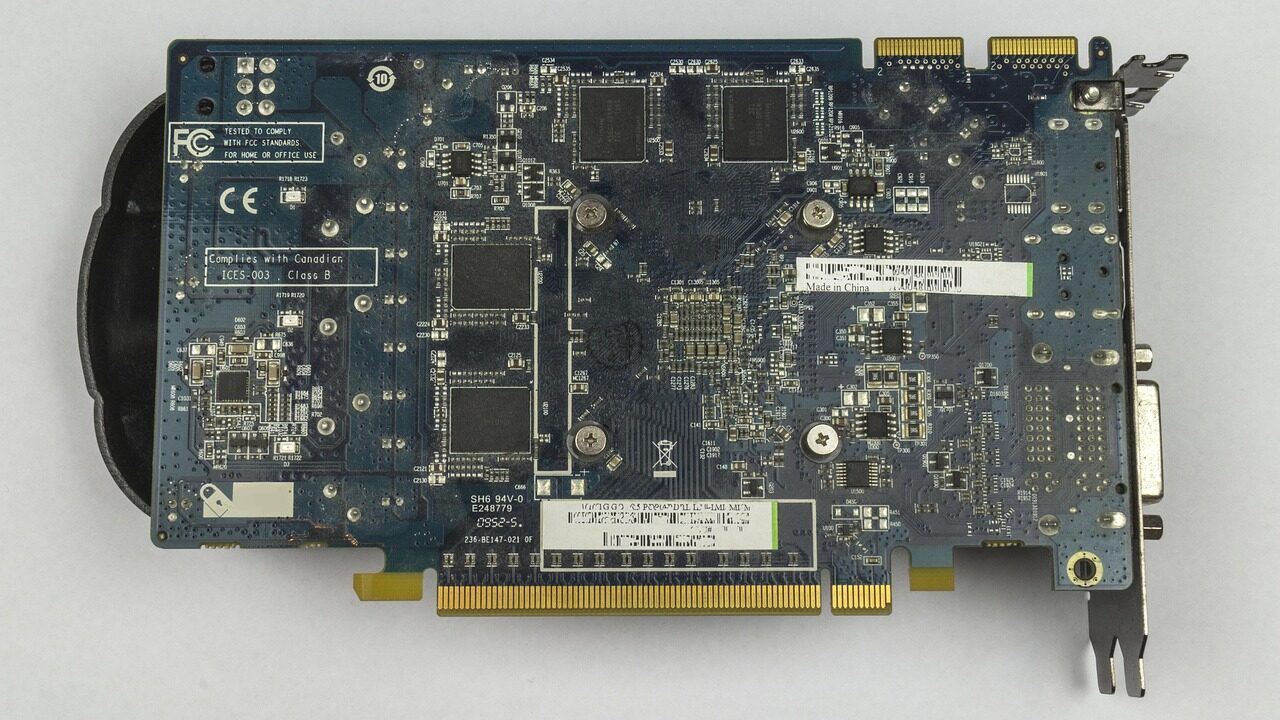
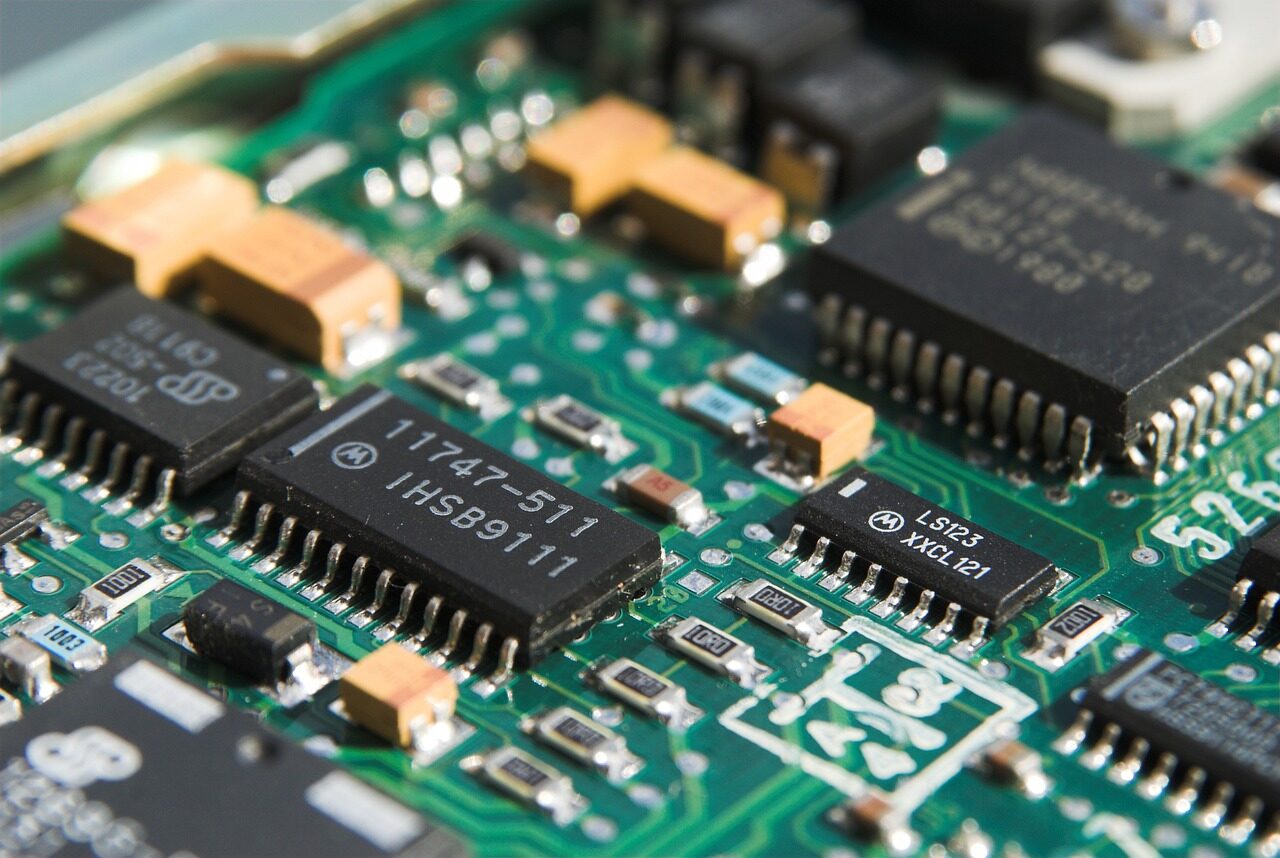
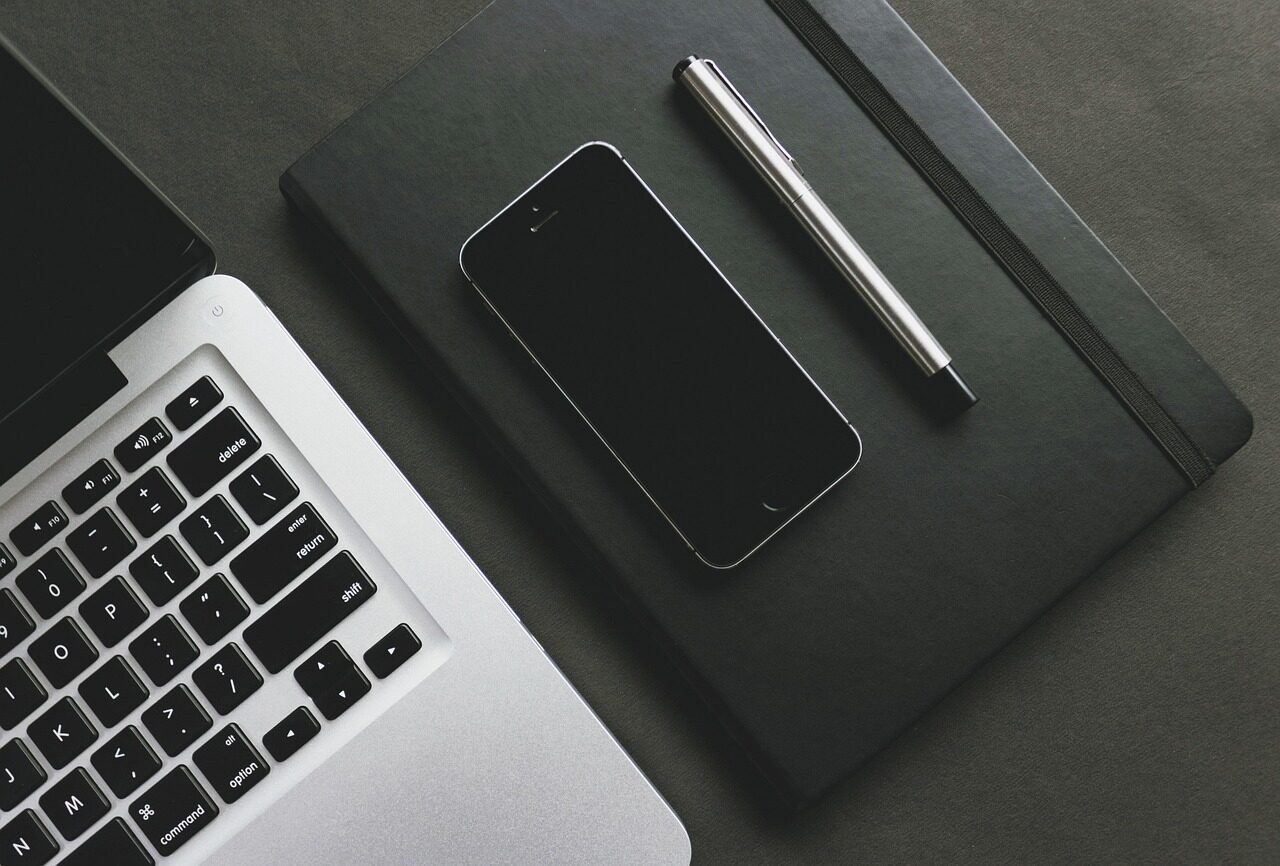
Hardware is everything you could, in principle, touch: the chips that compute, the parts that store data, the components that connect a machine to the wider world. It is the physical foundation on which every piece of software ultimately runs.
Hardware on its own is inert potential. It is the driver, working with the rest of the system, that turns that potential into something useful. A component may be capable of remarkable things, but it does nothing until software gives it direction in a language it understands.
Different pieces of hardware have very different strengths. Some are built to calculate quickly, some to hold great quantities of data, some to move information from place to place. The system's job, with drivers as its translators, is to call on each part for what it does best.
Hardware also sets the outer limits of what is possible. Software can be clever and efficient, but it cannot exceed the speed or capacity of the parts beneath it. Understanding those limits is part of understanding why a machine behaves the way it does.
In practice, hardware is like the instruments in an orchestra. Each one is capable of beautiful sound, but it stays silent until a musician plays it. Software, carried by drivers, is the musician; the hardware is the instrument waiting to be brought to life.
We use only essential cookies to keep this educational site working. See our Cookie Notice and Privacy Policy.