Your device may be capable of more than you think. How software decides what potential is reached.
- Hardware often has abilities that software has not yet learned to use.
- A driver decides how much of a device's potential is actually reached.
- Hidden features stay hidden until the translator knows how to ask for them.
- This is why the same hardware can do more over time.
It is a common belief that the abilities of a component are fixed the moment it leaves the factory. In reality, the hardware is only half of the story. The driver software is the key that unlocks what the hardware can do.
Imagine a sophisticated piece of equipment. The hardware contains remarkable sensors, capable of capturing rich detail, reducing noise, and reacting quickly to change. But if it is connected using only a basic, generic driver, it might behave as something far simpler than it truly is.
The physical capability is present, but the system does not know how to ask the hardware to perform its advanced functions, because the basic translator does not know how to phrase those specific requests.
Why a generic translator holds back
A general-purpose translator is built to work with as many components of a kind as possible, which is genuinely useful, but that breadth comes at a cost in depth. To understand why advanced abilities stay quiet, it helps to see what such a translator is actually doing.
- 1It speaks the shared minimum: It knows the basic vocabulary that almost every device of a category understands, and little beyond it.
- 1It avoids assumptions: Because it cannot be sure which exact component it is addressing, it refrains from requesting anything that only some components could provide.
- 1It favors safety over flourish: Its goal is to make the device work calmly everywhere, not to draw out the distinctive talents of any one model.
The result is a device that functions correctly while keeping its more specialized abilities politely in reserve.
This is why the makers of components release driver updates. Sometimes these fix small problems, but often they unlock new abilities or noticeably improve performance.
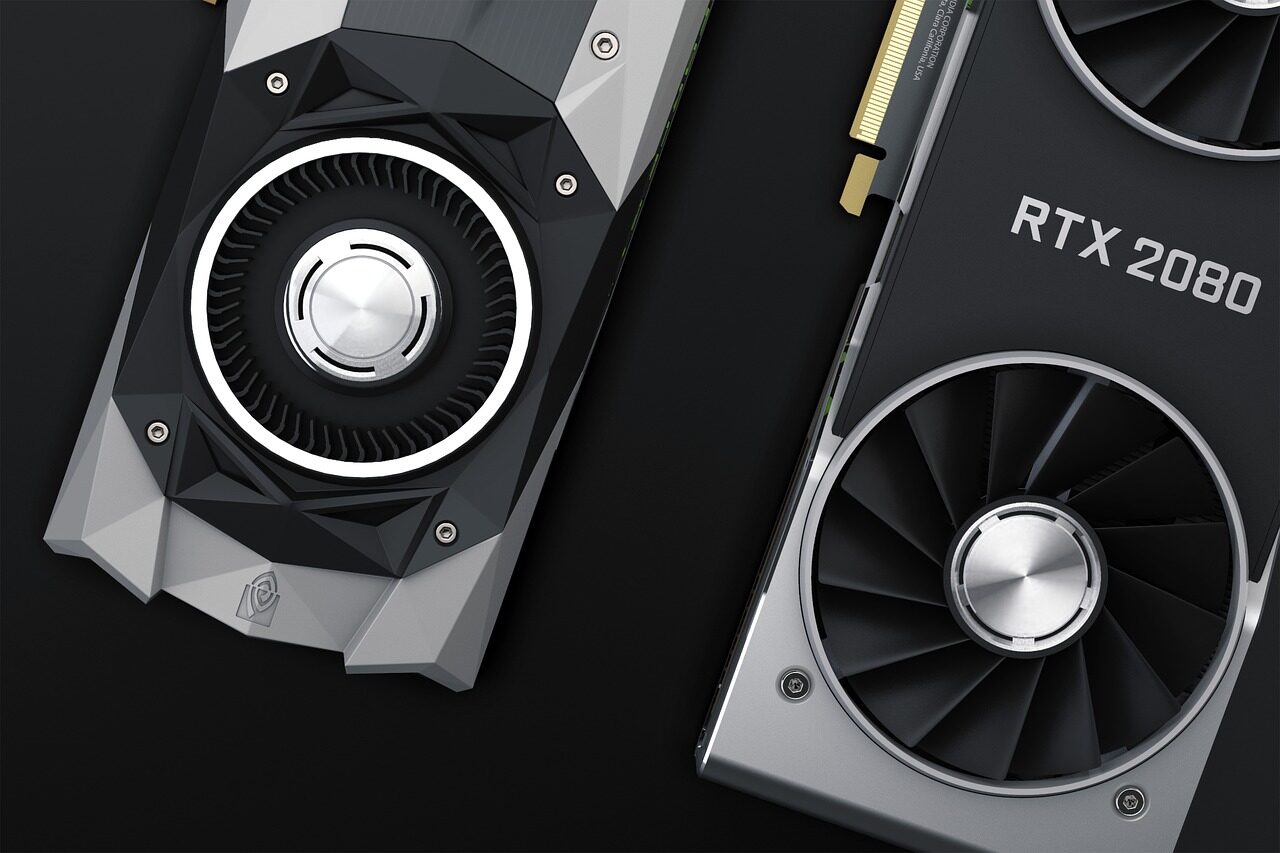
A visual processor might receive an update that introduces a more efficient way of computing shadows. The physical silicon has not changed, but the software guiding it has grown wiser. Suddenly the same hardware does more, and feels quicker.
What a specific translator adds
Where a generic translator speaks only the shared minimum, a specific one is written with intimate knowledge of a particular component. That deeper knowledge is precisely what lets the hidden abilities come forward.
- 1Precise vocabulary: It knows the exact phrasing needed to request a component's advanced functions, rather than only the basics.
- 1Tuned routines: It can choose paths through a task that suit the exact design in front of it, often finishing the same work with less effort.
- 1Confident requests: Because it knows what the component can do, it can ask for capabilities a cautious general translator would never attempt.
The hardware was always capable of these things. The specific translator simply supplies the words that were missing.
The honest trade between breadth and depth
There is a genuine choice here, and neither side is wrong. It is worth naming the trade plainly so the decision feels clear rather than mysterious.
- 1Breadth gives calm: A general translator works almost anywhere with little fuss, which is exactly what many people want.
- 1Depth gives refinement: A specific translator draws out the fullest behavior of a component, at the cost of being tailored to it.
- 1Your needs decide: When everyday function is enough, breadth serves you well; when you want a component's finest work, depth is worth seeking.
Why the words can arrive after the hardware
It often surprises people that a component can gain abilities long after it was made, without anything physical changing. The reason is that the vocabulary and the hardware are developed on different timelines.
- 1Hardware is finished first: A component is built with certain capabilities baked in, ready to be used once something knows how to ask for them.
- 1Understanding deepens later: Over time, the makers discover better ways to use what they built, and write those discoveries into a refined translator.
- 1The ability then appears: When the wiser translator arrives, the capability that was always present finally has the words it needed to come forward.
This is why a component you have owned for a while can sometimes feel as though it has quietly improved. The silicon held the potential all along; the language to reach it simply caught up.
A calm way to choose
None of this means you must always seek the most specific translator. The right choice depends on what you actually want from a component, and a few gentle questions make the decision clear.
- 1Do you need its finest work? If you rely on a component's specialized talents, a specific translator is worth seeking out.
- 1Is calm function enough? If everyday use is all you need, a general translator may serve you perfectly well, with less to think about.
- 1Has anything felt limited? If a component seems to fall short of what you expected, that is a sign its more refined vocabulary may be worth providing.
There is no single correct answer, only the one that fits your needs, and understanding the trade lets you choose it deliberately rather than by accident.
When you rely on a generic driver, you are choosing compatibility and calm, the device will work. But you may be leaving its most refined abilities dormant. A more specific driver carries the precise vocabulary needed to draw out everything the hardware can offer, turning a capable but quiet component into one that shows its full character.
Why would a device hide what it can do?
It is not really hiding; the ability is simply not used until the software knows how to call on it. Until then, that potential sits quietly in reserve.
Can hidden features ever be unlocked later?
Yes. As the driver learns to make use of more of the hardware, abilities that were dormant can start being used without changing the device itself.