Often the fastest path is not doing something quicker, but realising it never needed doing at all.
- The fastest work is often the work that never needs doing.
- Skipping unnecessary steps beats trying to do them quickly.
- Good design looks for tasks it can avoid entirely.
- Doing less, thoughtfully, is a real form of optimisation.
The fastest way to finish a task is sometimes counterintuitive. It is not to do the task more quickly, but to notice that a large part of it never needed doing at all. This idea sits at the heart of how good software coaxes more out of unchanged hardware, and it is one of the most elegant principles in the whole field.
Imagine being asked to paint a wall that will immediately be hidden behind a tall cabinet. The most diligent approach is to paint it carefully and well. The wisest approach is to ask whether it needs painting at all. Skilled software learns to ask that question constantly.
Effort that no one will ever see
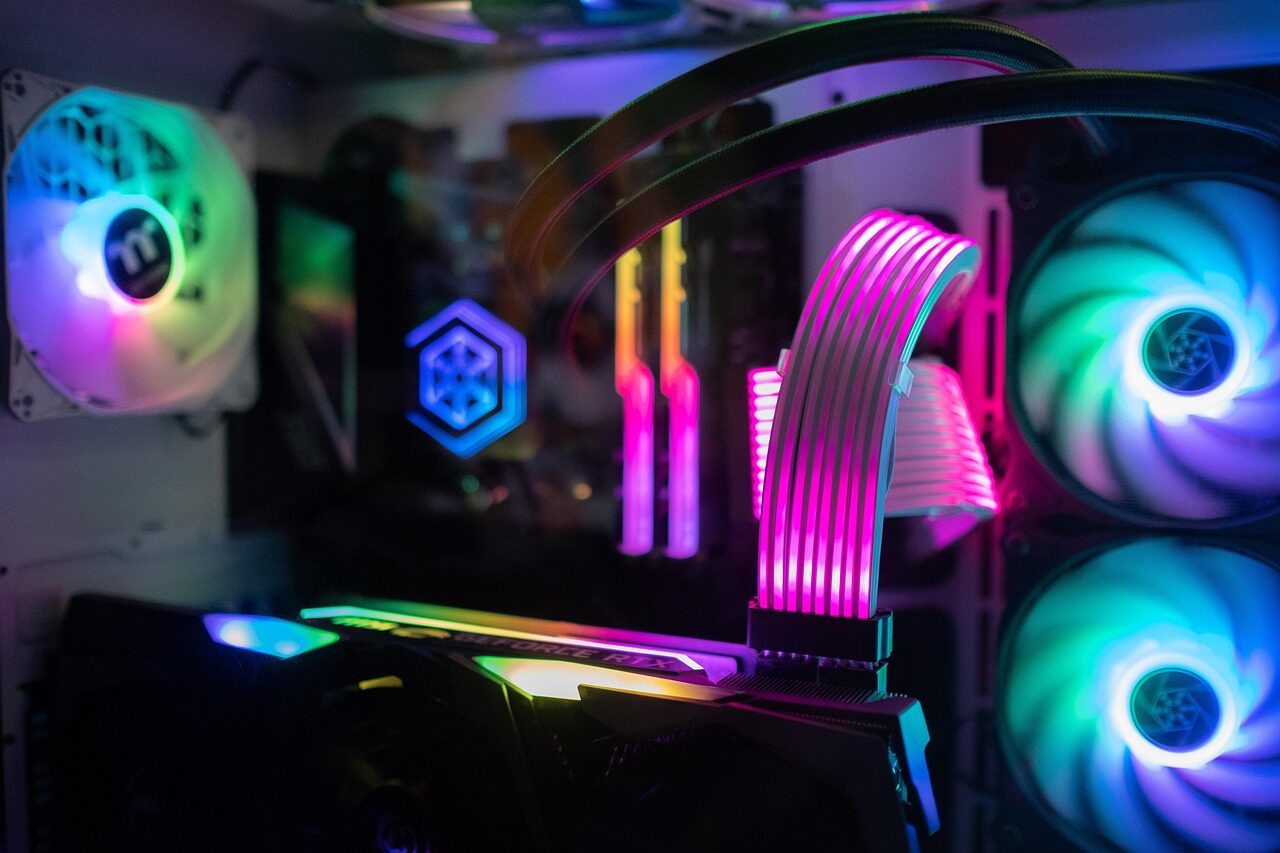
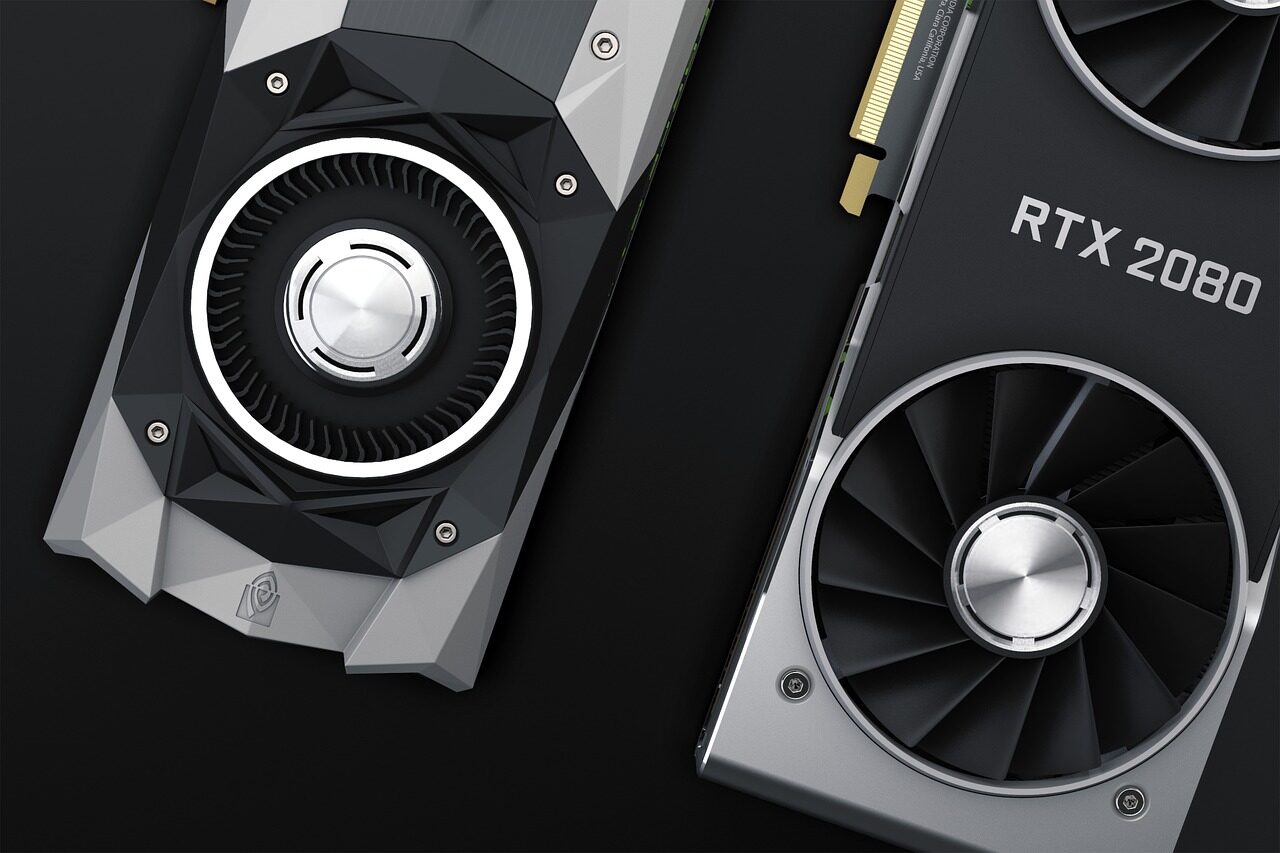
A component such as a visual processor can be asked to compute enormous amounts of detail. But much of that detail may end up hidden, off the edge of the screen, behind another object, or too small to perceive. If the software guiding the component is thoughtful, it can recognize these situations and quietly decline to do the hidden work. The result on screen is identical, yet the component has been spared a great deal of effort, and that spared effort becomes speed.
The driver, sitting between the operating system and the hardware, is often where this wisdom lives. It can recognize what a program is really trying to achieve and choose a path that reaches the same destination with fewer steps.
Common ways software does less
There are several well-established techniques for accomplishing more by doing less, and they tend to share a calm, practical spirit.
- 1Skipping the invisible: If a result will never be seen or used, the work to produce it can be set aside entirely.
- 1Remembering instead of recalculating: When the same answer is needed again, keeping it close by avoids computing it from scratch a second time.
- 1Doing things once for many: Grouping similar requests together lets the component handle them in a single efficient pass rather than one at a time.
- 1Good enough, on purpose: Some tasks tolerate a small, imperceptible approximation, and choosing it frees up effort for the work that truly matters.
How software knows what is safe to skip
The art is not in skipping work but in being certain that the skipped work truly does not matter. That certainty comes from a few reliable kinds of reasoning the software can lean on:
- 1Position, when something falls outside what will ever be shown and so cannot affect the result.
- 1Concealment, when one thing sits fully behind another and could never be seen.
- 1Repetition, when an answer already computed has not changed and can simply be reused.

- 1Perception, when a difference is far too small for a person to notice and so costs nothing to set aside.
Each of these gives the software a solid reason to do less without changing what you experience. The discipline is in checking that the reason genuinely holds before acting on it.
Why this is not cutting corners
It would be easy to mistake all this for carelessness, but it is the opposite. Deciding what to skip safely is harder than simply doing everything. The software must be confident that the omitted work genuinely makes no difference to what you experience. That confidence comes from careful study of how a component behaves and how people actually perceive its output. Doing less well is a discipline, not a shortcut.
There is a gentle honesty in this approach too. The goal is never to fool you into thinking something happened that did not. It is to produce the very same outcome you would have received anyway, only with less wasted motion along the way. You see exactly what you expected to see; the savings happen entirely out of sight.
It also takes a certain courage to leave work undone. The safe instinct is to compute everything and be sure, because skipping something is only safe if you have truly understood that it does not matter. The software that earns the right to do less has usually earned it through long, careful observation, learning exactly where the hidden corners are and proving to itself that nothing of value lives there. Restraint of that kind is not the absence of effort. It is effort spent earlier, on understanding, so that less effort is needed later, on doing.
A quieter, cooler machine
Doing less work has pleasant side effects beyond speed. A component that is not asked to perform unnecessary calculations draws less power and produces less heat. That can mean quieter fans, a cooler surface, and longer life on a battery. The benefits of restraint ripple outward in ways you can feel even when you are not thinking about performance at all.
These knock-on rewards are worth listing plainly, because they are easy to overlook:
- 1Less heat, which can mean fans that spin up less often and a surface that stays comfortable.
- 1Lower power draw, which on a portable machine can stretch the time between charges.
- 1More room to spare, so the component can give its full attention to the work that genuinely matters.
It is worth pausing on how unusual this is as a value. In most everyday efforts, doing more feels like the responsible choice, and restraint can look like laziness. Inside a well-built machine the opposite is often true. The most thoughtful software is forever asking what can be left undone without anyone being the wiser, and it treats that question as seriously as any calculation. The result is a kind of calm efficiency, where the machine spends its energy only where that energy can actually be felt.
This is the quiet art at the center of so much good engineering. It values clarity over busyness and asks, again and again, a simple question: does this actually need to be done? When the answer is no, the most graceful response is to leave it undone.
This site is purely educational and does not host or link to any files to install. The intention here is only to share an idea worth carrying with you, that progress often looks less like working harder and more like noticing, with a little wisdom, what can be set gently aside.

How can doing less make something faster?
Every task takes time, so removing one that was never needed is the cleanest possible saving. It costs nothing to skip work that did not have to happen.
Isn't it risky to skip steps?
Only if the steps mattered. The art is recognising work that adds no value, and leaving the necessary parts firmly in place.