Translation Layer
The conceptual boundary where one language is converted into another so two unlike systems can cooperate.

The small program that translates general system requests into instructions one specific component understands.
The small program that translates general system requests into instructions one specific component understands.
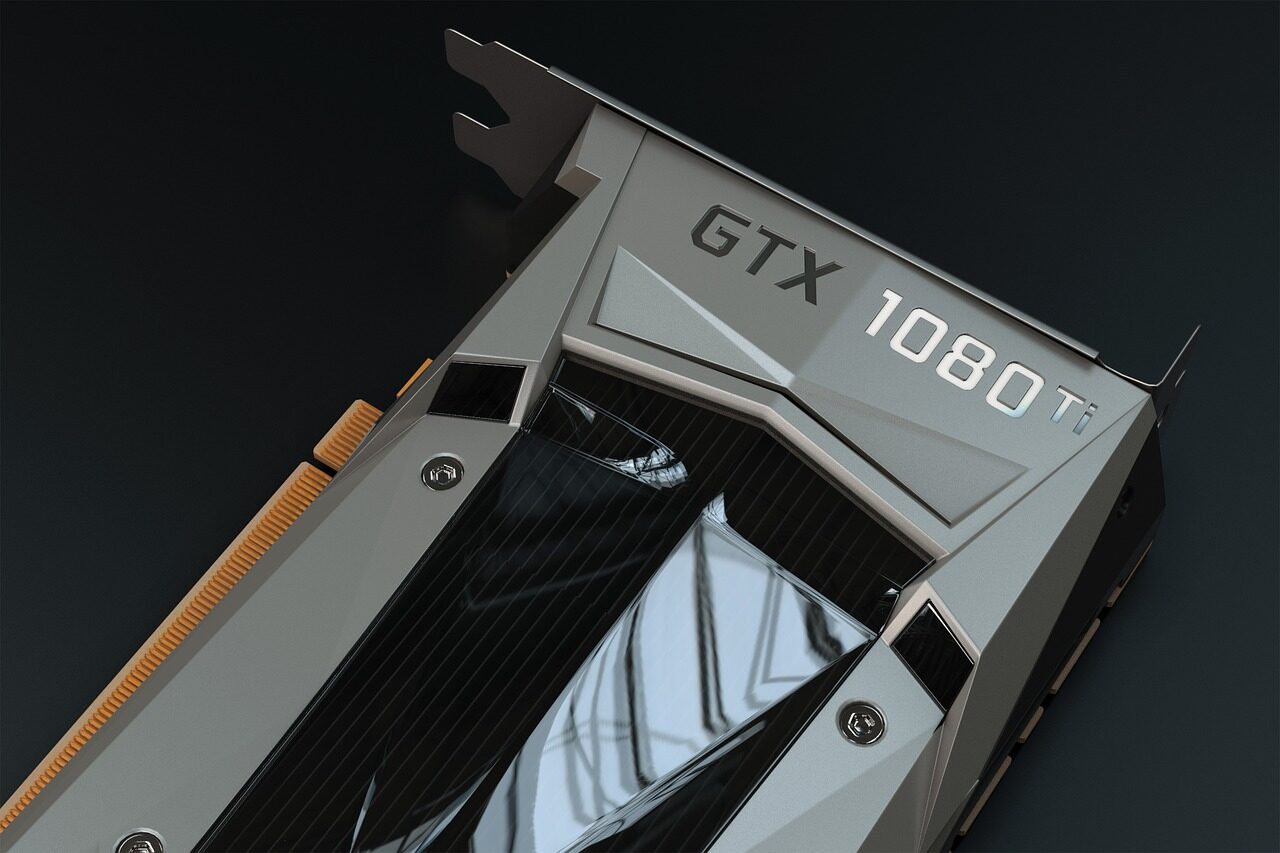
A device driver is the patient interpreter that sits between the part of a computer that runs programs and a single piece of hardware. The system speaks in broad, standard terms; the component speaks its own precise dialect. The driver carries each message across that gap, then brings the answer back in a form the system expects.
Because of this arrangement, the system never has to learn the private language of every component ever made. It only has to ask in one standard way, and the right driver handles the rest. That single idea is what lets a machine welcome a part it has never met before and still know how to use it.
A driver is small, but it carries real responsibility. It must keep its requests in order, recover gracefully when a component is busy or slow, and never hand on a garbled instruction. When it does its job well, you never notice it at all; the part simply works, and the credit quietly belongs to the translator in the middle.
Drivers also age alongside the hardware they serve. As a component reveals a quirk or gains a new ability, its driver can be refined to match, which is why keeping drivers current tends to keep older parts feeling dependable for far longer than you might expect.
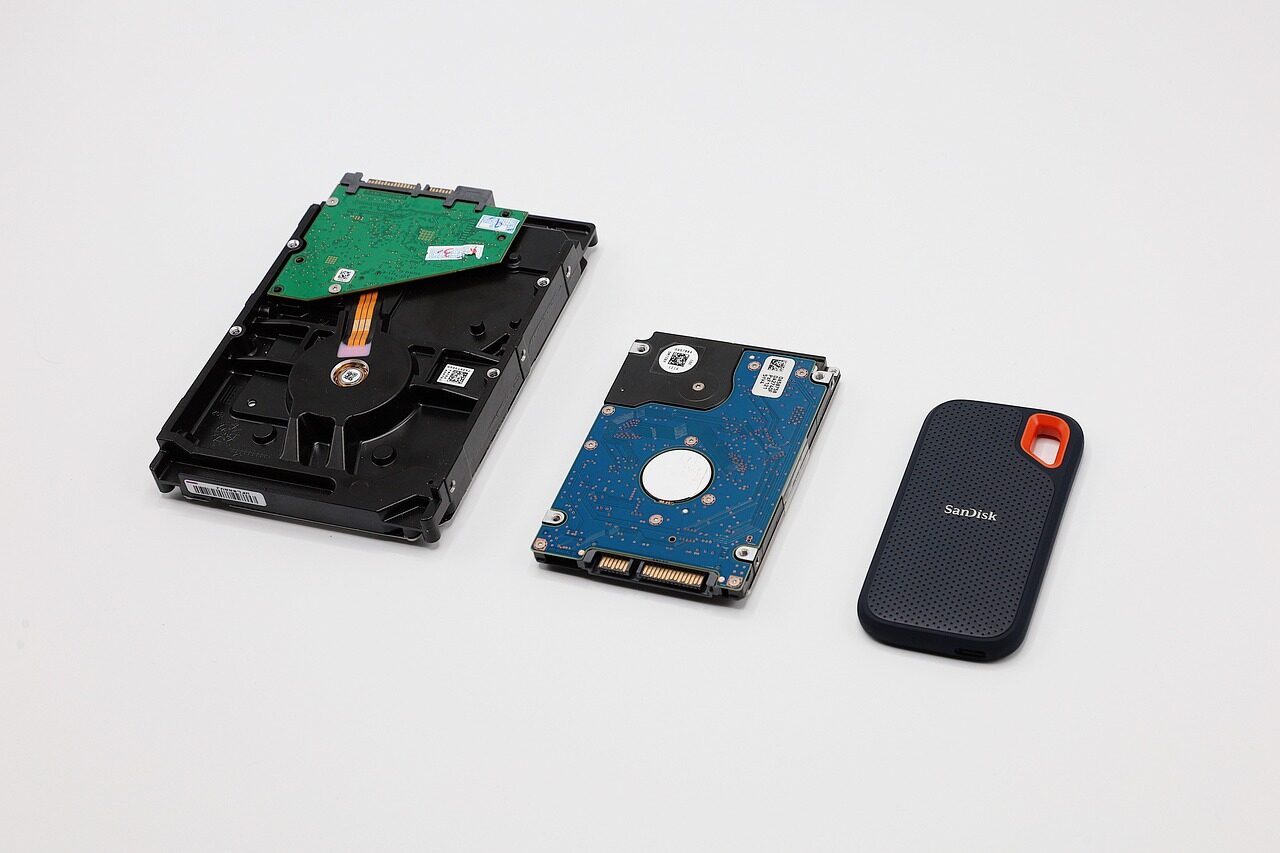
In practice, think of plugging in a small storage stick. The moment it connects, a driver greets it, confirms what kind of device it is, and tells the system how to read and write to it. You just see a new place to save files, while the driver is busy turning your everyday clicks into the exact signals that particular stick understands.
We use only essential cookies to keep this educational site working. See our Cookie Notice and Privacy Policy.