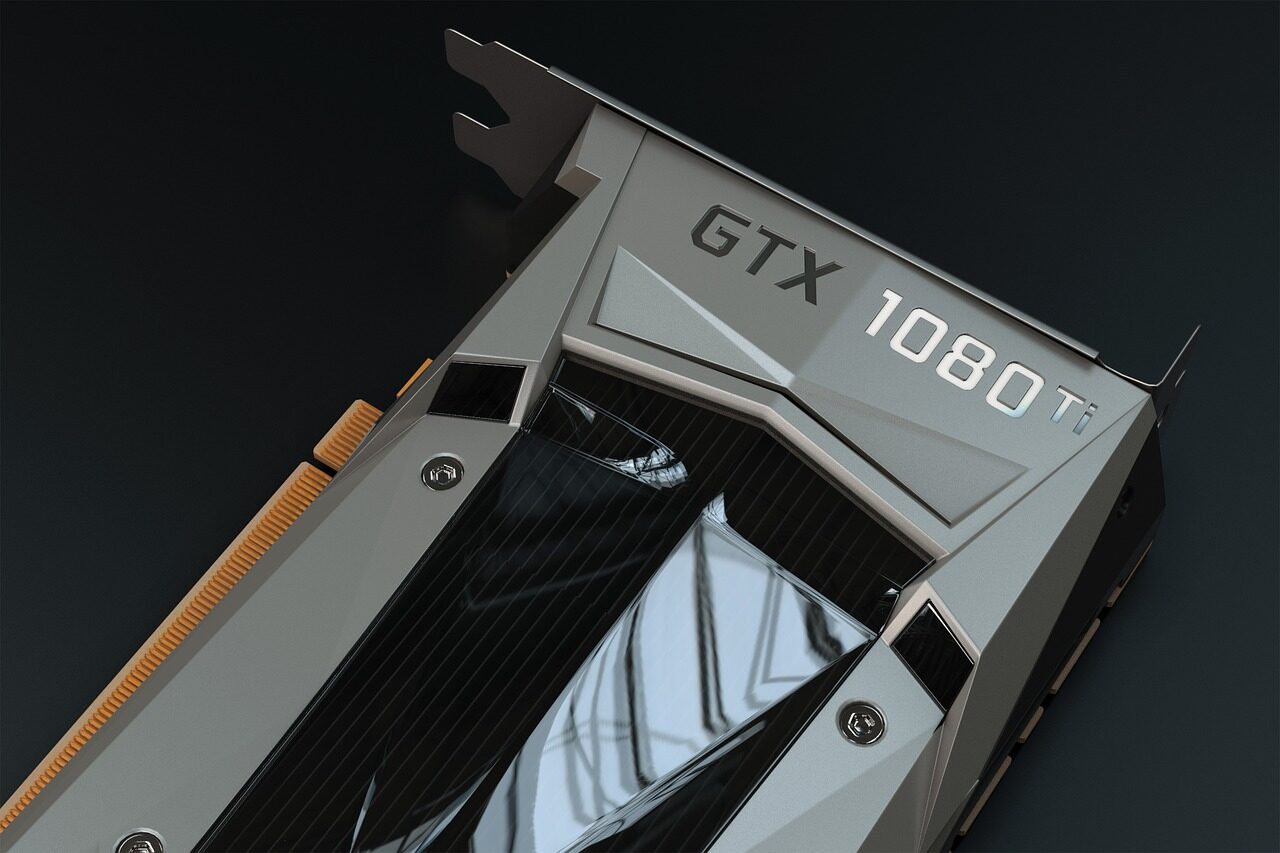
A measured look at how the role of the quiet translator may keep changing in the years ahead.
- The role of the quiet translator keeps gradually changing.
- New kinds of hardware bring new translation challenges.
- The core idea endures even as the details evolve.
- A measured look beats hype when imagining what comes next.
The device driver has spent its life as a quiet middle layer, content to translate and to steward without drawing attention. It is natural to wonder where such a layer goes from here. The honest answer is measured rather than dramatic: the role is likely to deepen and shift in emphasis, even as its essential purpose, faithfully connecting an operating system to its hardware, remains as necessary as ever.
Several gentle currents are already shaping that future. None of them rewrites what a driver fundamentally is. Instead, they change where its weight falls, which responsibilities grow, and how much trust it must continue to earn.
Toward greater safety
One steady direction is a growing care for isolation. As systems handle more sensitive work, there is increasing value in keeping each translator at arm's length, so that a single mistake stays contained rather than spilling into everything around it. Expect continued movement toward running drivers in more protected spaces where it is practical, with the core reserved for only what truly needs direct access. The aim is a system that fails softly, restarting a stumbling translator while the rest of the experience carries on undisturbed.
Toward smarter translation
A second current concerns intelligence. Drivers have long done more than literal translation; they manage work, anticipate needs, and choose efficient paths. That tendency is likely to grow, with translators making increasingly thoughtful decisions about how to schedule tasks, when to do work ahead of time, and how to draw the best behavior from a component without being asked explicitly. The silicon may not change, yet a wiser translator can keep finding new ways to use it well.
Toward stronger trust
A third direction is verification. Because a driver can hold real power within a system, the methods for confirming that a translator is genuine and unaltered will continue to mature. Layered checks, careful boundaries, and the principle of granting each piece of software only the access it truly needs are not passing fashions. They are likely to become more thorough, turning what was once a leap of faith into something closer to well-founded, everyday confidence.
Toward quieter maintenance
There is also the matter of how translators are kept current. The long arc points toward updates that are less disruptive, applied with such care that the work a device was doing never falls over. Swapping software mid-stride, with graceful pauses and reliable fallbacks, is the kind of unremarkable competence that good systems strive for. The better this becomes, the less you will ever need to think about it, which is rather the point.
How these currents reinforce one another
It would be easy to treat these directions as separate goals, but they are more interesting together, because progress in one tends to support the others.
- 1Safety aids maintenance: When a translator is well isolated, replacing or restarting it becomes far less risky, so quieter updates follow naturally from stronger isolation.
- 1Trust enables intelligence: As verification matures, we can comfortably let translators make more of their own decisions, because we have better assurance they are genuine and behaving as intended.
- 1Maintenance protects trust: Updates applied gracefully keep each translator current and sound, which is itself part of keeping the whole system trustworthy.
Seen as a weave rather than a list, these currents describe a layer that grows steadily more dependable from several directions at once.
What will not change
Amid all this motion, it is worth naming what is likely to stay constant. There will still be a system that speaks in general requests and hardware that answers in specific ones, and there will still need to be something patient in between to bridge the two. New kinds of components will arrive, and shared agreements will stretch to welcome them, but the basic act of honest translation will endure. Older devices will keep working, too, because the quiet promises that connect past and present are precisely what give a layer like this its longevity.
It is also fair to be humble about prediction. Technology rarely unfolds exactly as anyone expects, and the most important shifts often look obvious only in hindsight. What can be said with some confidence is that the value of a calm, trustworthy translation layer does not diminish as machines grow more capable. If anything, it grows.
How to hold predictions lightly
Since no one can see the future clearly, it is worth carrying these expectations with a gentle grip, ready to be revised.
- 1Watch the direction, not the date: The currents above describe where things are tending, not a schedule, and the tendency matters more than any timeline.
- 1Expect refinement over revolution: The likeliest changes are steady improvements to a familiar role rather than a sudden replacement of it.
- 1Trust the enduring core: Whatever shifts, the basic need for honest translation between a system and its hardware is the part most safe to count on.
Held this way, thinking about the future becomes calming rather than anxious, a way of understanding a direction rather than betting on a destination.
This site is educational and non-commercial. It does not host or link to any files to install, and it offers no products to buy. Its only purpose here is to think clearly about where an invisible layer of software may be heading.
The future of the driver, then, is less a revolution than a refinement, a steady tending of a role that has quietly held modern computing together and seems poised to keep doing so for a long time to come.
Will drivers still matter in the future?
Almost certainly, because something always has to bridge software and hardware. The form may change, but the basic need for translation is unlikely to disappear.
How might this layer change?
It may become more automatic, more isolated, and better at handling new kinds of devices. The direction is toward making the translation even quieter and safer.