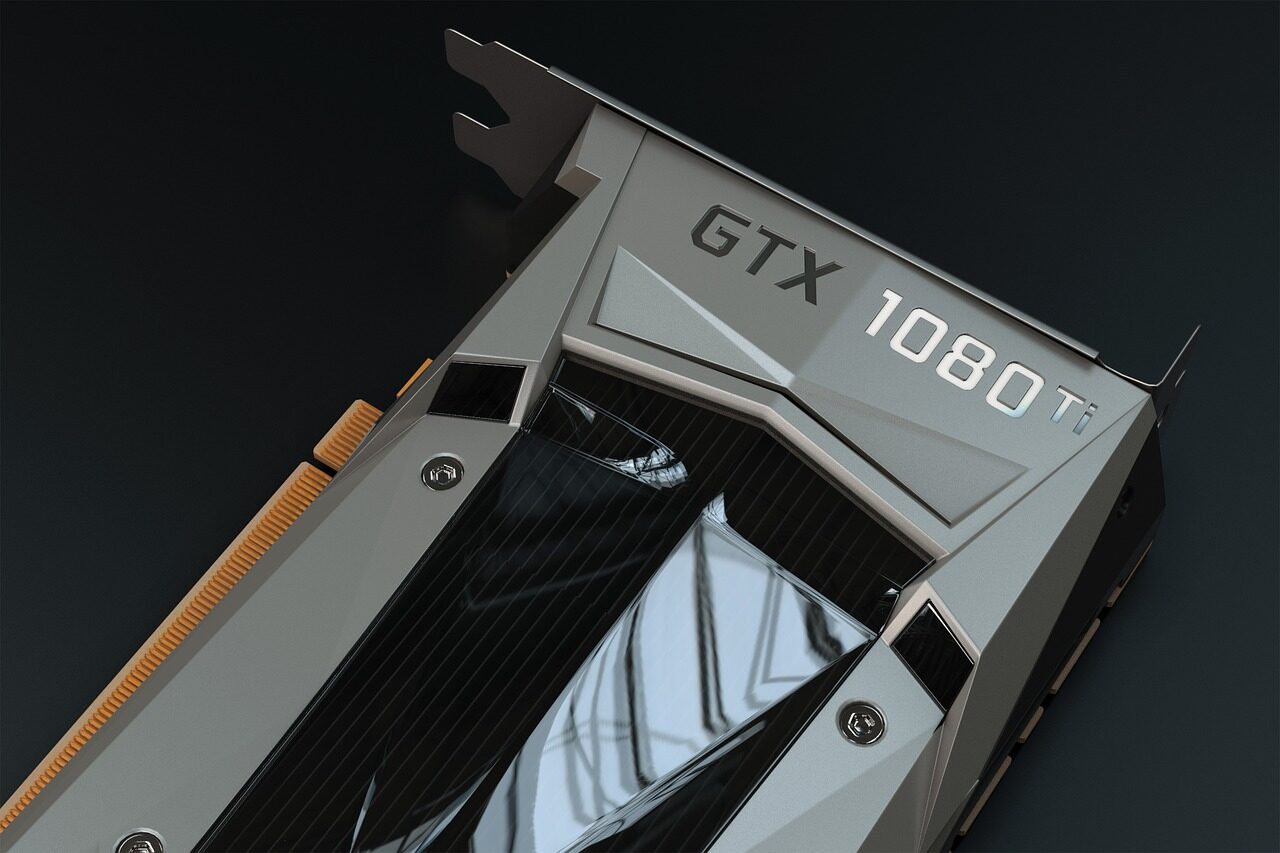
How the messy variety of early hardware pushed the world toward a graceful, shared agreement.
- Early hardware was a messy variety of one-off designs.
- That messiness pushed the world toward shared standards.
- Flexible agreements replaced rigid, hand-wired connections.
- Standards turned chaos into graceful cooperation.
Picture an early workshop full of machines, each one wired to its tools in a way that made sense only to the person who built it. One device expected its signals to arrive in a particular order. Another reversed that order entirely. A third demanded a private ritual of timing and acknowledgment before it would do anything at all. Nothing was wrong, exactly, yet nothing agreed. Every connection was a small negotiation invented from scratch.
This was the texture of early hardware. Components were capable, but they were idiosyncratic. To make any two parts cooperate, someone had to study both and craft a custom bridge between them. The work was painstaking, and the result was fragile. Replace one part with a slightly different one, and the careful bridge might collapse.
The cost of variety
Variety, in itself, is a wonderful thing. It gives people choice and pushes makers to improve. But unmanaged variety becomes a burden. When every component speaks its own dialect, the effort of connecting them multiplies with each new arrival. A system that wishes to support many devices ends up carrying a tangle of special cases, each one a place where something can break.
The way out was not to eliminate variety but to channel it. If makers could agree on a shared way of asking and answering, then a component could keep its unique inner workings while presenting a familiar face to the outside world. The differences would not vanish; they would simply be tucked behind a common doorway.
The rise of the shared agreement
A standard is, at heart, a promise that many parties choose to keep. It says: here is how a request will be phrased, here is the form an answer will take, here is what each side may expect of the other. Once such a promise is widely honored, something remarkable happens. A system no longer needs intimate knowledge of each device. It needs only to speak the shared language, and to trust that a driver will carry its words into the private dialect of the hardware.
This is where the device driver finds its natural place. It sits at the meeting point between the shared agreement and the particular component. On one side it listens for standard requests. On the other side it speaks the exact, intricate tongue of the hardware it represents. The standard keeps the conversation orderly; the driver keeps it honest.
What a good standard quietly provides
Not every agreement deserves to last, and the ones that endure tend to share a few unglamorous virtues. Understanding them shows why a well-chosen standard can hold a whole ecosystem together for decades.
- 1A clear way to ask: It defines precisely how a request should be phrased, so neither side has to guess at the other's meaning.
- 1A predictable answer: It settles the form a response will take, allowing a system to plan around replies it has not yet received.
- 1Room to differ inside: It constrains only the points of contact, leaving each maker free to build the interior of a component however they wish.
- 1Stability over time: It changes slowly and deliberately, so that work built upon it does not have to be redone with every passing season.
A standard that offers these things asks little and gives much, which is why so many parties are willing to keep its promise.
Why flexibility followed
Standards may sound like constraints, yet they are what made flexibility possible. Because a connection now followed agreed rules, a maker could redesign the inside of a component freely, confident that an updated driver would still meet the system at the same familiar doorway. A system, in turn, could welcome devices that did not exist when it was built, because it was not relying on knowledge of any single part. It was relying on the promise.
Consider how much this quietly removes from your daily experience. You do not study a component's wiring before you use it. You do not craft a bridge by hand. You attach the part, a suitable translator steps in, and the shared agreement does the rest. The negotiation that once took an expert now happens in moments, unseen.
How the doorway shapes everyday life
The shift from bespoke wiring to shared standards changed ordinary experience in ways that are easy to overlook precisely because they feel so natural now.
- 1Connecting became casual: Attaching a new part stopped being an expert task and became something almost anyone could do without ceremony.
- 1Choice expanded: Because a system trusted the agreement rather than any single product, far more devices could be welcomed, and people gained real freedom to choose among them.
- 1Change grew safe: A part could be swapped for a newer one without rebuilding everything around it, since both met the system at the same familiar doorway.
These conveniences are the visible reward for an invisible discipline, the patient upholding of a shared promise behind the scenes.
This site is educational in nature, and it offers no downloads and links to no files to install. The intention here is only to show how the world moved from rigid, one-off wiring toward graceful, shared standards.
There is a deeper lesson in this shift. Cooperation at scale rarely comes from forcing everything to be the same. It comes from agreeing on a few stable points of contact and allowing freedom everywhere else. The driver embodies that balance, honoring a common promise on one side while respecting the rich particularity of hardware on the other, and letting both sides change without losing each other.
What was wrong with rigid wiring?
Every new device meant new, bespoke work to connect it. That did not scale as the variety of hardware grew, so a more flexible approach was needed.
How did standards help?
By agreeing on shared ways to connect, makers no longer had to solve the same problem from scratch each time. Cooperation became the default rather than the exception.