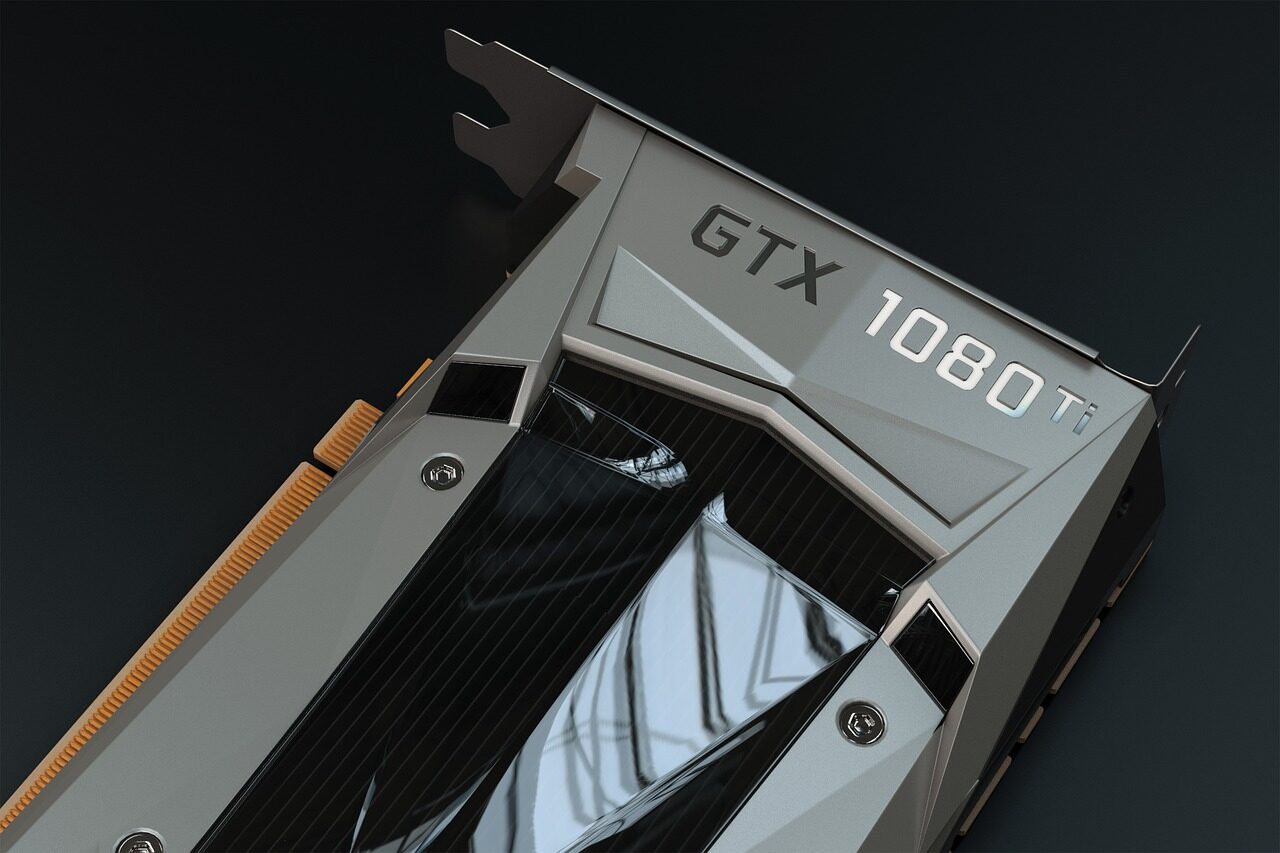
The quiet convenience of plugging something new into a system and simply expecting it to work.
- Universal connection lets you plug something new in and expect it to work.
- That quiet convenience rests on years of shared agreement.
- It freed people from worrying about hidden compatibility details.
- A simple expectation hides a great deal of careful groundwork.
There is a moment so common that we rarely give it a second thought. You bring a new component to a machine, join the two together, wait a breath, and find that they already understand each other. No study, no custom wiring, no ceremony. It feels like nothing at all, and yet it represents one of the quieter triumphs of modern computing: the ability to connect almost anything and simply expect it to work.
To appreciate what this made possible, it helps to imagine its absence. Suppose that every new device demanded a bespoke arrangement, hand-built by someone who understood both sides intimately. Ordinary people could not add to their machines without expert help. Makers could not assume their products would be welcomed. The whole landscape would be smaller, slower, and far more cautious. Universal connection dissolved that friction, and in doing so it changed what computing could become.
A foundation of agreement
Beneath this ease lies a layered agreement. There are shared ways of physically joining parts, shared ways of discovering what has been attached, and shared ways of asking a component to identify itself and describe what it can do. When a device is connected, the system can inquire, in effect, what are you, and the device can answer in a form the system understands.
That answer is what allows the right translator to step forward. Once a component has named itself and its abilities, the system can find a suitable driver to carry requests into the device's private language. The driver is the piece that turns a successful introduction into genuine cooperation, taking the system's standard requests and rendering them as the precise instructions the hardware expects.
The quiet steps of an introduction
What feels instantaneous is really a small, orderly conversation, and walking through it slowly takes away the sense of magic without taking away the wonder.
- 1Notice: The system detects that something new has been attached, the way a host notices a guest arriving at the door.
- 1Ask: It invites the device to identify itself, requesting a description of what sort of thing it is and what it can do.
- 1Answer: The device responds in a shared, agreed form, so the system can understand the reply without prior knowledge of that exact product.
- 1Match: Using that answer, the system finds a suitable translator to carry requests into the device's private language.
- 1Cooperate: With the translator in place, ordinary requests begin to flow, and the introduction quietly becomes a working partnership.
None of these steps is dramatic on its own, but together they turn a stranger into a collaborator in the space of a breath.
What the freedom unlocked
The consequences of this arrangement spread far beyond convenience. Because connection became dependable, a vast ecosystem of devices could flourish, each made by someone who never needed to coordinate directly with the makers of every system. A component designed by one group could serve machines built by many others, all because both sides honored the same introductions and the same way of speaking through a driver.
This freedom also reshaped how machines grow over time. A system no longer had to be complete on the day it was built. It could welcome additions later, including devices that did not yet exist, because it relied on shared agreements rather than on prior knowledge of each part. The machine became open-ended, a foundation to extend rather than a fixed object to replace.
The shapes this freedom took
It is worth being concrete about what dependable connection actually allowed people and makers to do, because the abstract idea becomes much clearer through its effects.
- 1Machines that grow: A system could be extended long after it was built, gaining new abilities by welcoming new parts rather than being replaced.
- 1Makers who specialize: A group could pour its attention into one excellent component, confident it would be welcomed by machines it never had to study.
- 1Users who choose freely: People could assemble the combination of parts that suited them, mixing the work of many makers without needing permission from any one of them.
Each of these is a kind of freedom, and each rests on the same quiet foundation of shared introductions and honest translation.
The quiet labor underneath
It would be a mistake to imagine all this happens by magic. Each smooth connection rests on careful work: conventions written down and honored, translators crafted with attention to a component's exact habits, and recovery paths prepared for the times when an introduction does not go as planned. When a connection fails, a thoughtful system often falls back to a basic, general translator so that the device remains usable while a better match is sought.
That gentle fallback is itself a kind of gift. It means a missing or imperfect translator need not leave you stranded. The system reaches for something general and dependable, keeps the device working in a modest way, and waits patiently for a more refined translator to take its place.
This site exists to explain such ideas, nothing more. It is non-commercial, and it does not host or link to any files to install. The goal here is only to illuminate how universal connection quietly works.
So the next time you join something new to a machine and watch it spring to life, consider the long chain of cooperation behind that small event. Shared introductions, agreed languages, and a patient translator ready to do its part. What feels like nothing is in fact a great deal, arranged so gracefully that you are free to ignore it entirely.

Why does plugging things in just work now?
Because devices and systems share agreed ways to introduce themselves and cooperate. The driver and the standards behind it handle the details for you.
What did this make possible?
It let people mix and match hardware freely, without expert setup each time. That freedom quietly reshaped how we expect technology to behave.