Firmware
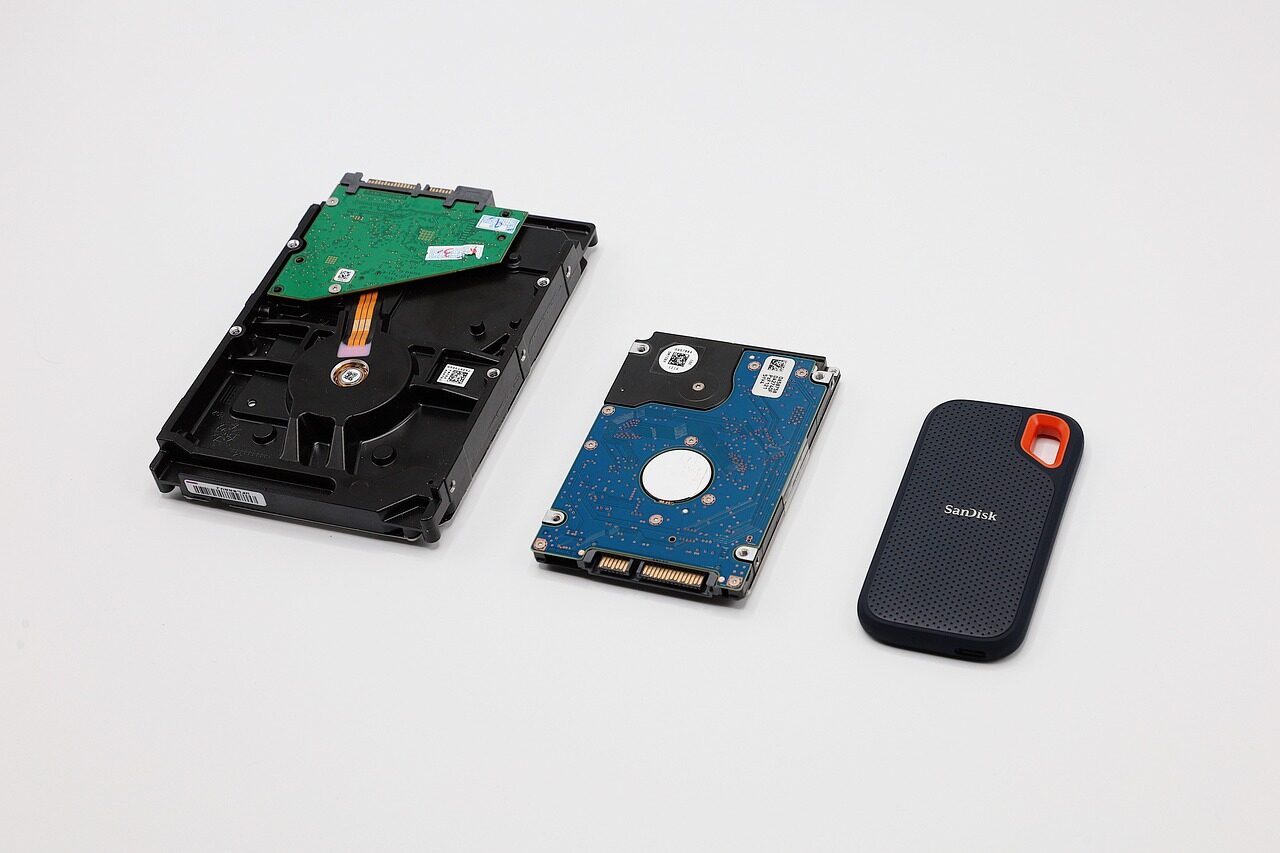
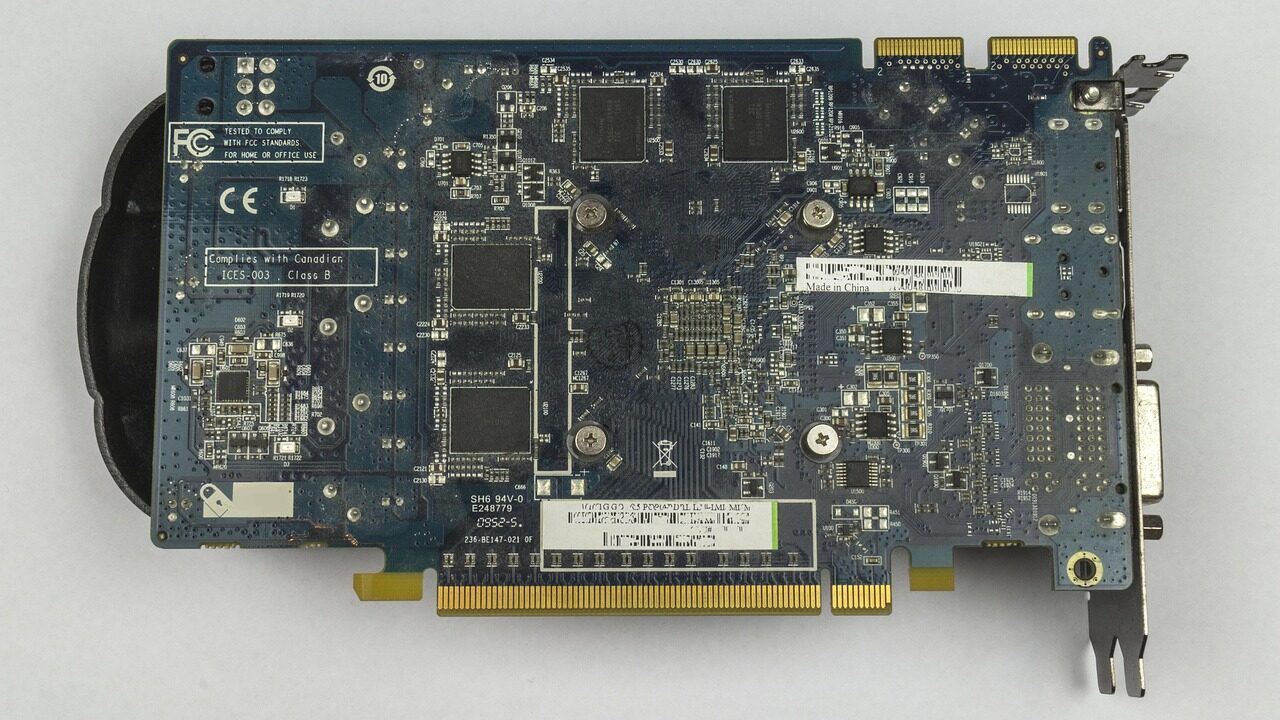
Small, durable software that lives on a component itself, guiding its most basic behaviour.

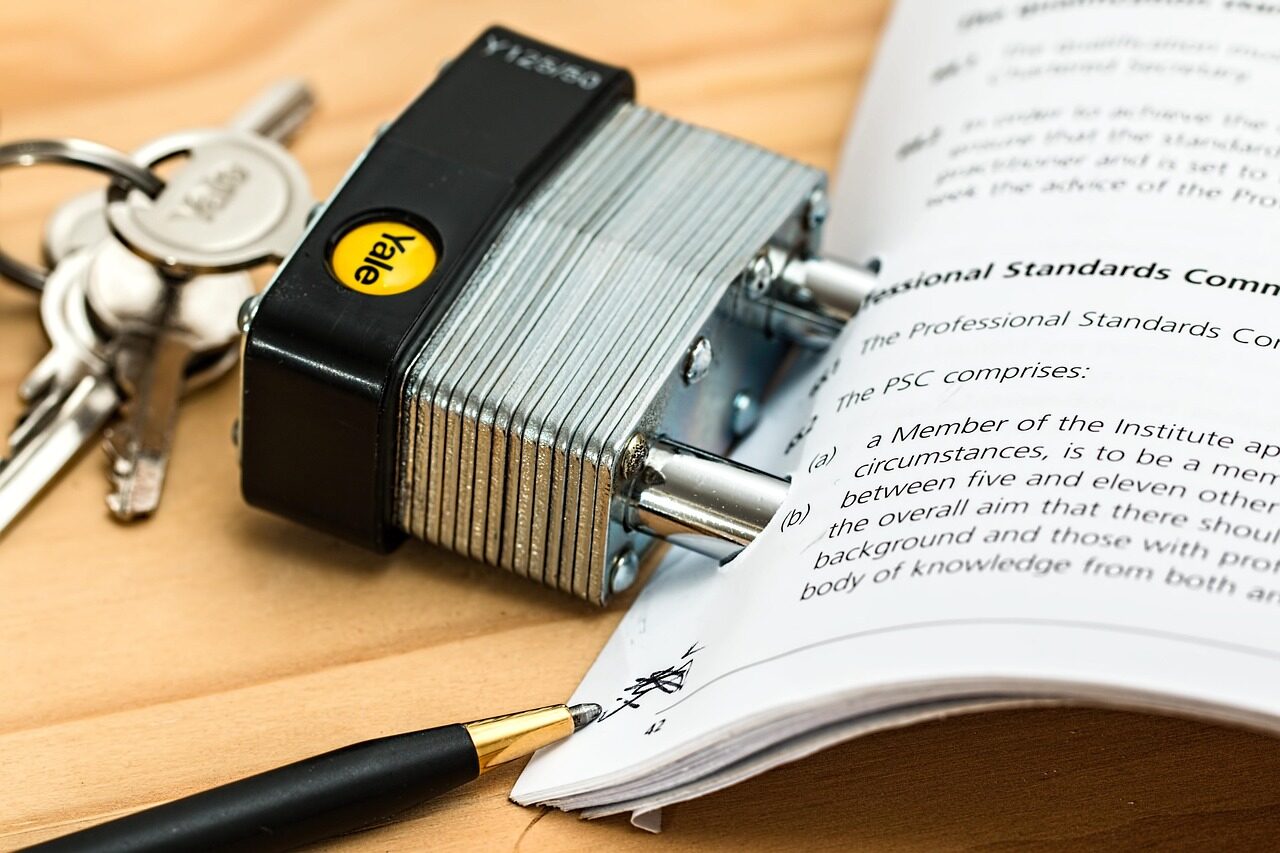
Software carrying a kind of digital seal that lets a system check it is genuine and unaltered.
Software carrying a kind of digital seal that lets a system check it is genuine and unaltered.
Signed software comes with a verifiable mark, rather like a wax seal on a letter. Before trusting the software, a system checks that the seal is intact and that nothing has been changed since it was made. If the seal is broken or missing, the system has good reason to be cautious.
Because drivers ask for deep trust, signing matters greatly here. It gives a system a way to refuse a translator it cannot confirm is authentic, which is an important defence when the software in question will be granted access close to the core.
A signature answers two quiet questions at once: who made this, and has it been altered since. If the mark checks out, the system can be confident the software is the genuine article from a known source, untouched along the way.
Signing does not promise that software is flawless, only that it is authentic and unmodified. It is one layer of protection among several, and a careful system combines it with other safeguards rather than relying on any single one.
In practice, a signature is like the tamper-evident seal on a jar. You can see at a glance whether it has been opened since it left the maker. Software signing offers the same reassurance: a system can tell whether the code is genuine and untouched before it places any trust in it.
We use only essential cookies to keep this educational site working. See our Cookie Notice and Privacy Policy.