Hardware
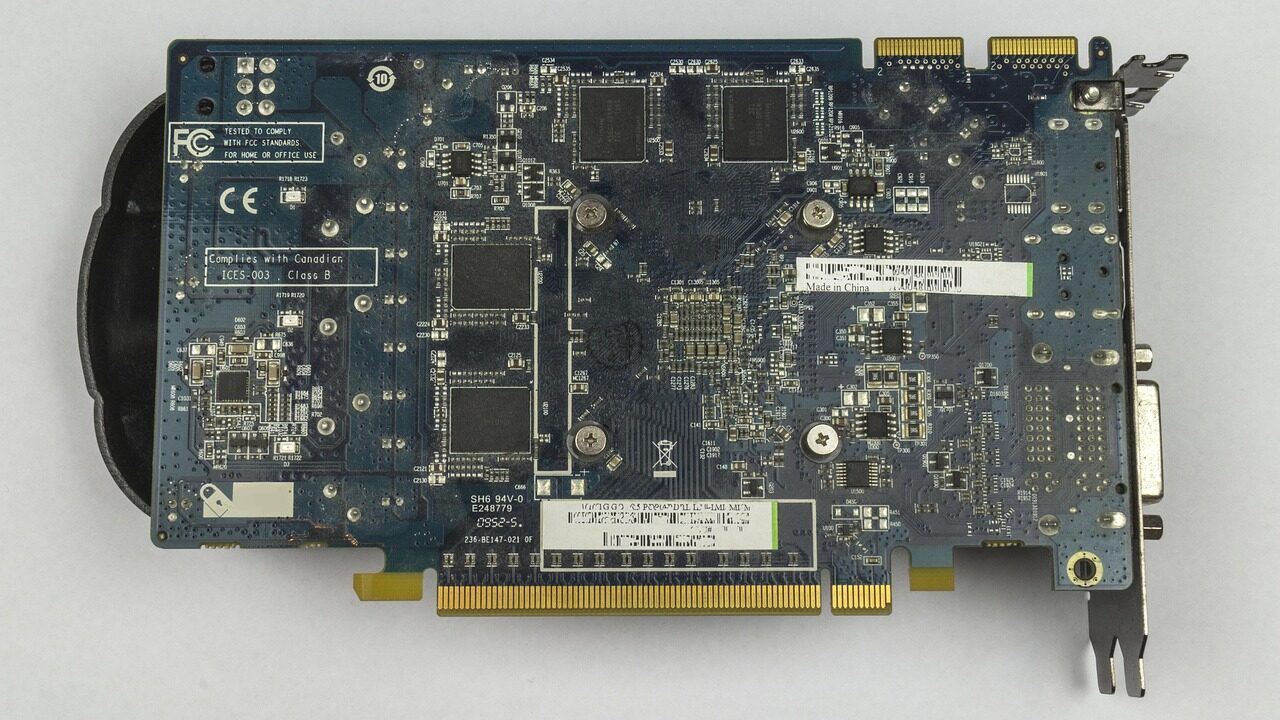
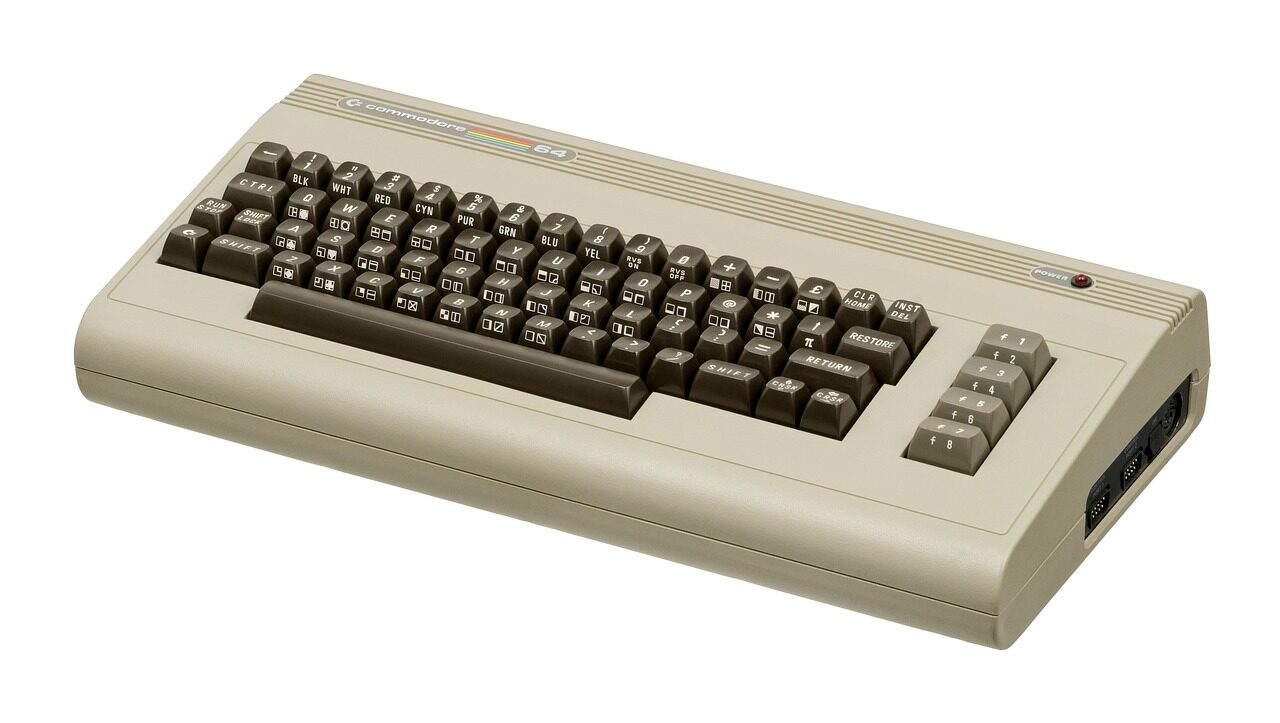
The physical components of a computer that software ultimately needs to direct.


Small, durable software that lives on a component itself, guiding its most basic behaviour.
Small, durable software that lives on a component itself, guiding its most basic behaviour.
Firmware is software that ships inside a piece of hardware, handling the component's most fundamental tasks. It sits below a driver, closer to the silicon, and changes far less often. In many ways it is the part's own built-in instinct, present from the moment it is powered on.
A driver and firmware work as a pair: firmware governs how the component behaves at the lowest level, while the driver lets the wider system make use of it. The firmware knows the part intimately; the driver knows how to present that part to everything else.
Because firmware lives so close to the hardware, it is written with great care and updated cautiously. A faulty change here is harder to undo than one in ordinary software, so makers tend to keep firmware small, well-tested, and slow to alter.
Even so, firmware is not frozen forever. Occasionally it is refreshed to fix a flaw or smooth out a rough edge in a part's behaviour. When that happens, the component itself effectively learns a little, gaining steadier habits without any change to the hardware you can touch.
In practice, firmware is like the basic reflexes a device is born with. Think of a simple appliance that knows how to start safely and respond to its own buttons the instant it has power, before anything else is involved. That built-in, low-level know-how, baked into the component, is the role firmware plays.
We use only essential cookies to keep this educational site working. See our Cookie Notice and Privacy Policy.