Hardware
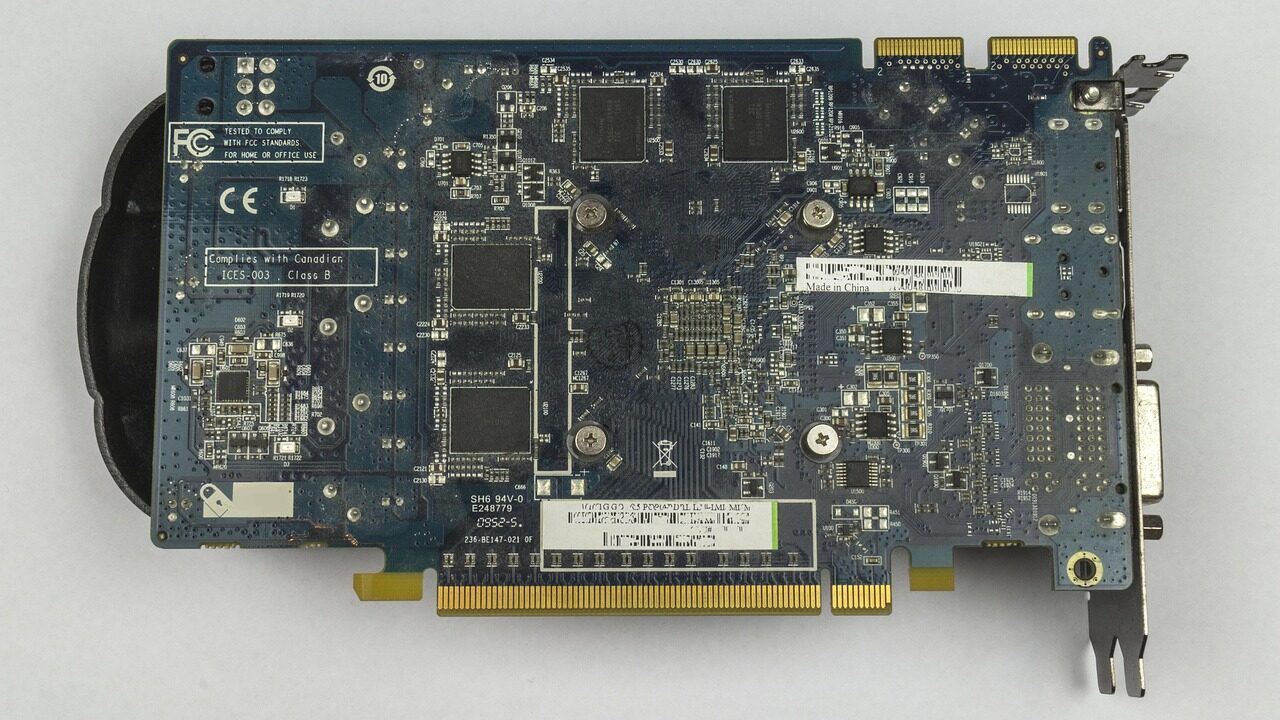
The physical components of a computer that software ultimately needs to direct.

A component that adds a capability to a computer, often connected rather than built in.
A component that adds a capability to a computer, often connected rather than built in.
A peripheral is a piece of hardware that extends what a computer can do. Some are built into a machine; many are connected to it. Each one needs a translator so the system can make use of it, which is where drivers quietly enter the picture.
The ease with which you can connect a peripheral and simply expect it to work is, underneath, the work of a driver quietly doing its job. The moment a part is attached, the system tries to recognise it and find the right software to speak for it.
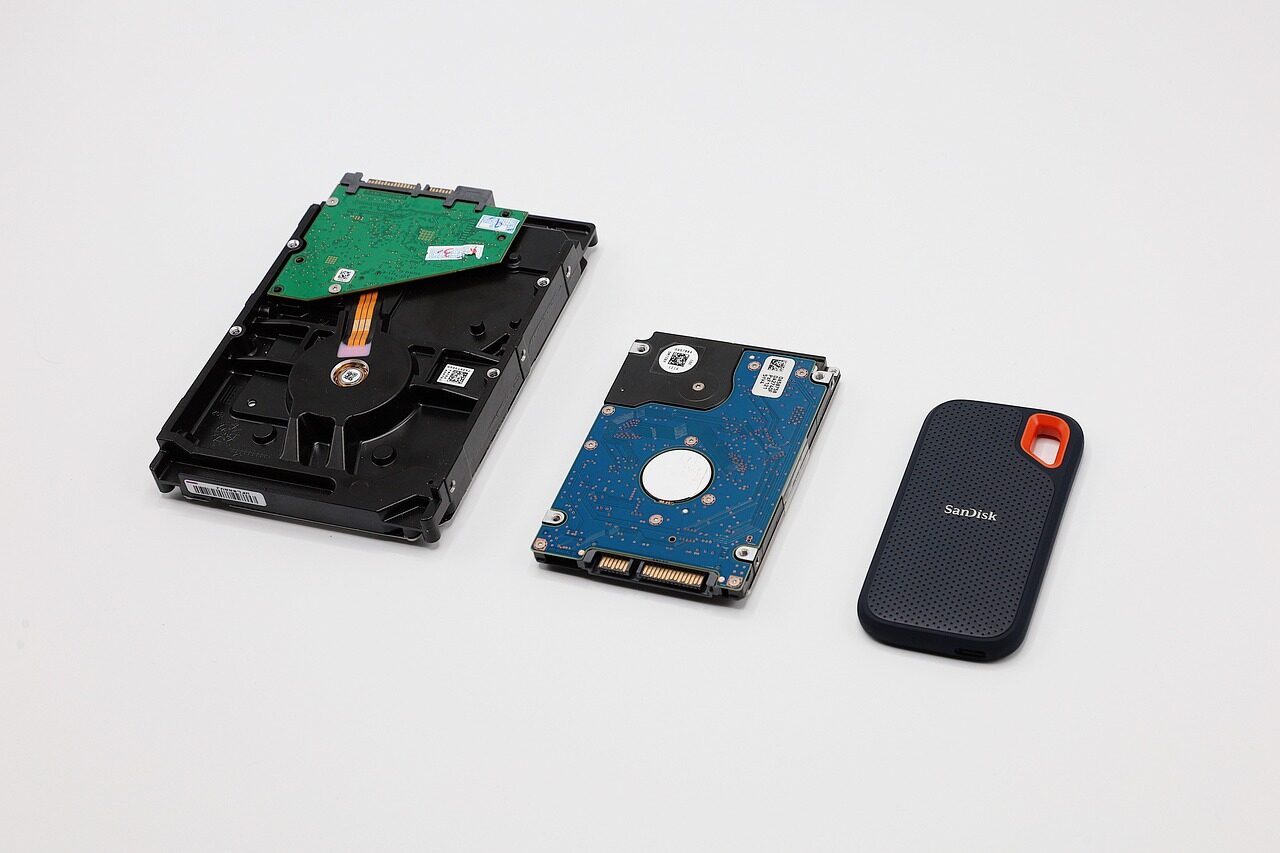
Peripherals cover an enormous range of purposes, from gathering input, to showing output, to storing information, to reaching across a network. What unites them is that each adds something the core machine did not have on its own, broadening what the whole system can do.
Because peripherals come and go, the system treats them as guests rather than permanent residents. It prepares one when it arrives, looks after it while it is present, and tidies up neatly when it leaves, so the machine stays orderly through all the comings and goings.
In practice, think of connecting a small handheld controller to play a game. You plug it in, and within moments it simply works. Behind that smoothness, the system has recognised the controller and matched it with a driver, so your button presses turn into actions on the screen.
We use only essential cookies to keep this educational site working. See our Cookie Notice and Privacy Policy.