Compatibility
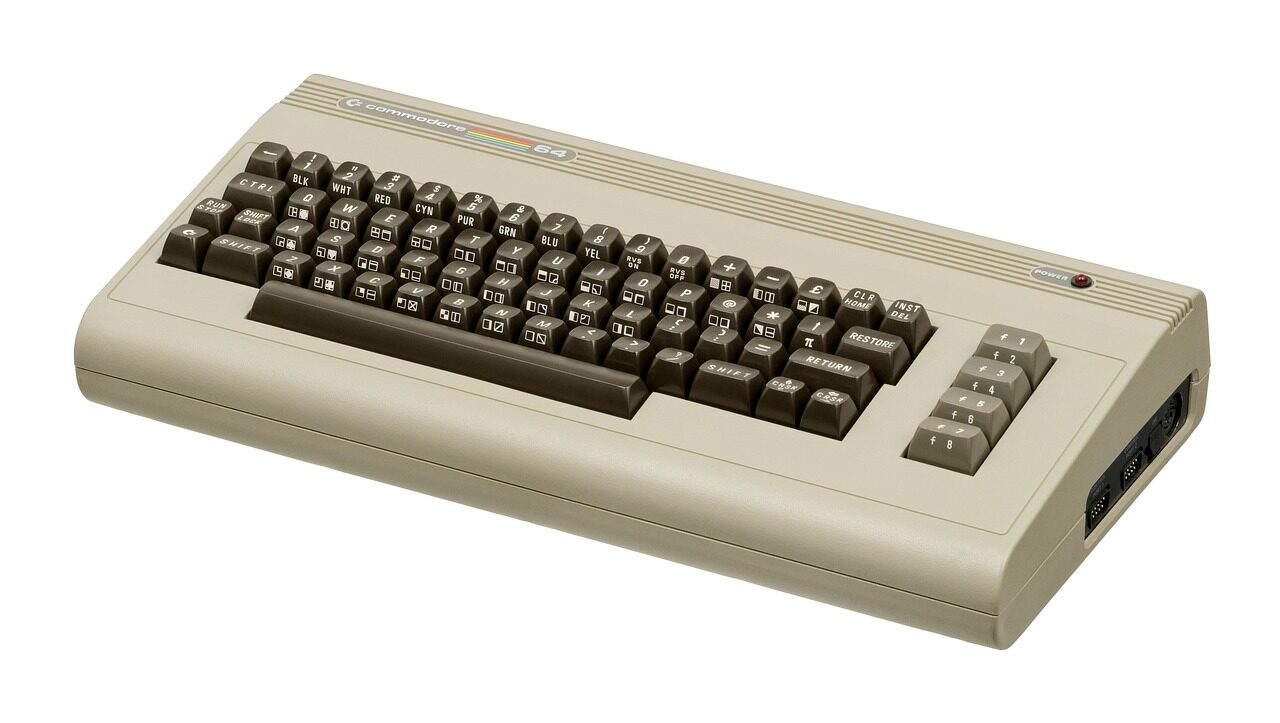
The quality of two parts being able to work together, often despite differences in age or design.

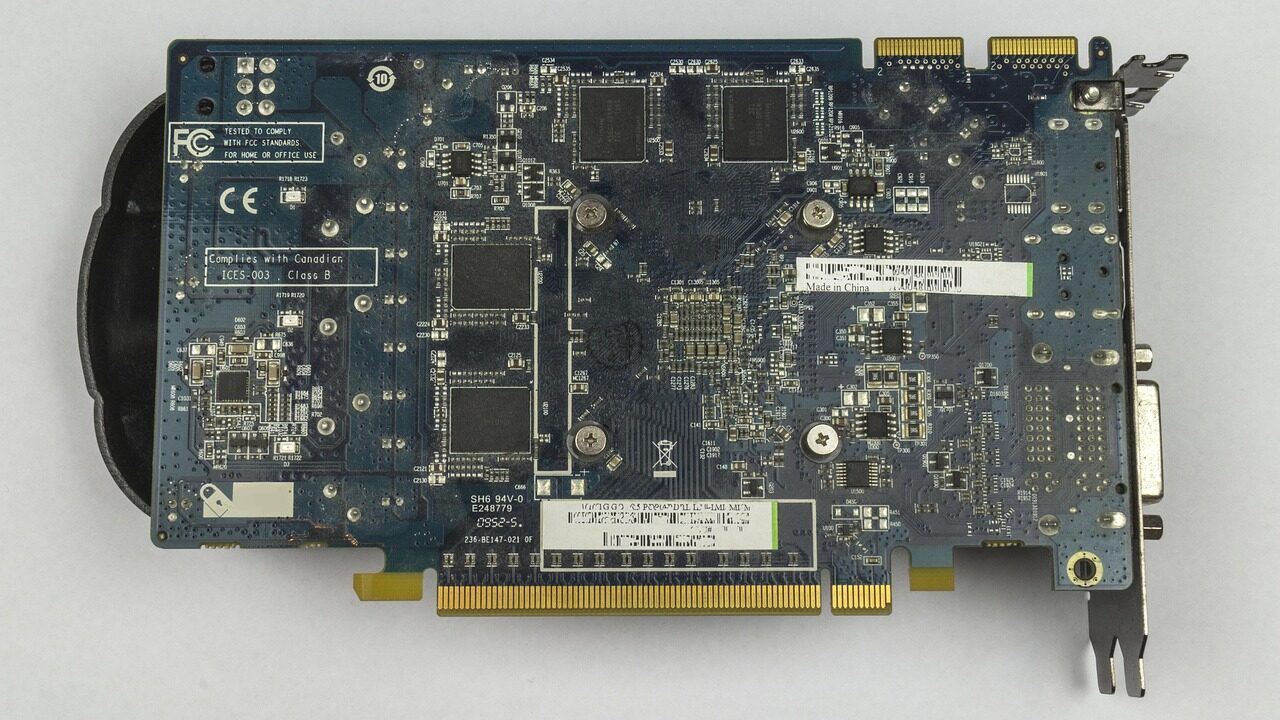
The convention that lets a system recognise a new component and prepare it automatically.
The convention that lets a system recognise a new component and prepare it automatically.
Plug and play is the comfortable expectation that you can connect something and have it simply work, without a fuss. Behind that ease, a system is identifying the component, deciding what it is, and finding the right translator for it, all in a matter of moments.
When this works, you never think about it. The whole arrangement is designed to make a remarkable amount of coordination feel like nothing at all. The system asks the new part to introduce itself, matches it with a suitable driver, and prepares it for use, then steps quietly out of the way.
This convenience rests on agreed conventions that every well-behaved part follows. A component announces what it is in a standard way, and the system knows how to listen, so the introduction goes smoothly even between parts that have never met.
When a part cannot be fully recognised, a careful system still tries to make it useful with a basic translator rather than refusing it outright. That graceful handling is part of what makes plug and play feel dependable rather than fragile.
In practice, plug and play is like arriving at a well-run hotel where your room is already prepared the moment you check in. You do not arrange the details yourself; the work was done quietly in advance. Connecting a new part to a computer is meant to feel just that effortless.
We use only essential cookies to keep this educational site working. See our Cookie Notice and Privacy Policy.