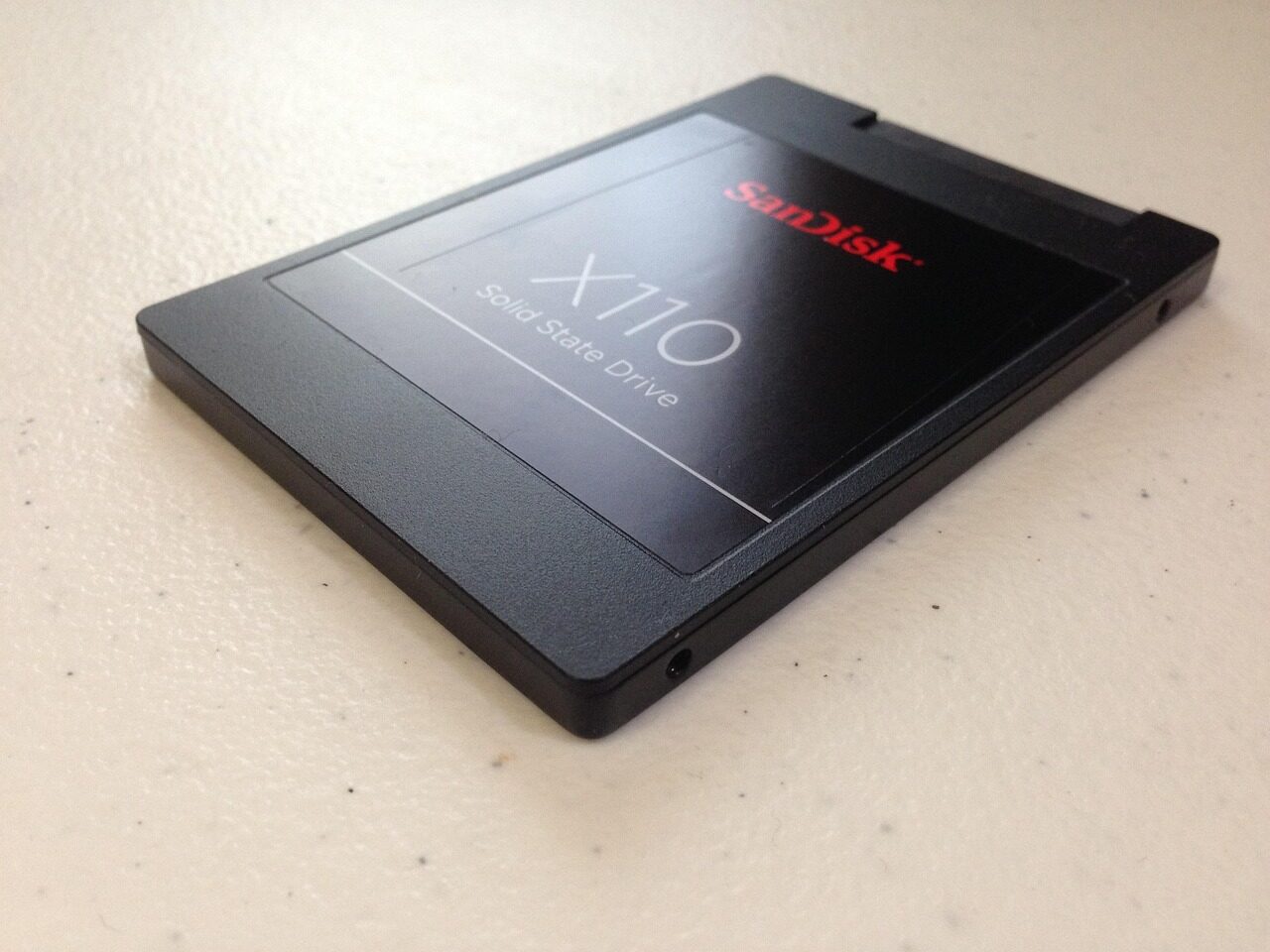
Balancing speed against absolute reliability as data flows to and from where it lives.
- Storage drivers balance speed against absolute reliability.
- Their first duty is making sure your data is never quietly lost.
- They manage how information flows to and from where it lives.
- Careful ordering of writes is what keeps stored data trustworthy.
Of all the conversations a computer has with its hardware, few carry as much weight as the one with storage. A flicker on screen is forgotten in an instant, but the place where your files live is expected to remember everything, perfectly, for years. The software that speaks to a storage component carries that responsibility, and it is built around a single guiding tension: be fast, but above all, be trustworthy.
When a program saves a file, it does not address the storage hardware directly. It makes a general request through the operating system: keep this information, and let me find it again later. The driver receives that request and translates it into the specific commands the particular storage component understands, deciding where the data should go and how it should be written. When the data is needed again, the same translator fetches it back. To the program, storage looks like a tidy, reliable shelf; underneath, the driver is doing the careful work of placing things and retrieving them.
What this family of translator handles every day
The storage translator is involved in far more than the moments when you consciously save something. It is at work constantly, often on your behalf without any direct request from you at all:
- 1Saving a document or a photo, the obvious case, where your intention is clearly to keep something for later.
- 1Opening a program, which quietly reads a great many pieces from storage before it can appear ready on screen.
- 1The steady background writing a system does to keep notes on its own activity, so it can recover its bearings if interrupted.
- 1Fetching the same frequently used items again and again, where speed comes from clever handling rather than from working the hardware harder.
- 1Moving or copying large amounts of data, where the goal is to shift everything faithfully without losing or muddling a single piece.
Each of these leans on the same promise: that what was written can be read back exactly. That is why this family of driver is held to a higher standard than most. A momentary glitch elsewhere is an annoyance, but a broken promise here can mean lost work, so the translator is built to be cautious by temperament.
The promise of durability
The defining concern of a storage driver is that data must survive. A request to save is, in effect, a promise, and the driver takes that promise seriously. It tracks which writes have truly settled into permanent storage and which are still in transit, so the system never assumes something is safe before it actually is. This matters most at the worst moments. If power is lost or the machine stops unexpectedly, the driver's careful bookkeeping is what allows the system to recover cleanly rather than waking to confusion.
Speed without recklessness
Storage can be slower than the parts of the system that depend on it, so a driver works hard to keep things moving. One common approach is to hold recent or expected data in fast memory for a short while, so that frequent requests can be answered quickly without troubling the slower hardware each time. Another is to gather many small requests and arrange them sensibly before sending them on, much like a delivery driver planning an efficient route rather than making a separate trip for every parcel.
These techniques bring real speed, but they introduce a delicate question. If data is held briefly in fast memory before being committed, what happens if the lights go out in that small window? A thoughtful storage driver answers this by being honest about timing. When a program insists that something be made truly permanent before it continues, the driver respects that instruction completely, even at the cost of a little speed. The reserve of trust always outranks the pursuit of haste.
How a careful translator stays honest
The trustworthiness of storage is not a single feature but a handful of disciplined habits working together. A few of them quietly stand between your intentions and any silent loss:
- 1Keeping track of which writes have truly settled and which are still on their way, so nothing is assumed safe too soon.
- 1Honoring a request to make something permanent right now, even when waiting costs a little speed.
- 1Keeping related changes together, so the stored picture never ends up half-updated and confusing.
- 1Listening for early signs of strain in the hardware and passing those signals along while there is still time to act.
These habits are unglamorous, and that is exactly why they are reassuring. A storage translator earns trust not by being clever in a flashy way, but by being reliable in the same quiet way, over and over.
Order and consistency
Storage rarely handles one request at a time. Many programs may be reading and writing at once, and the order in which operations land can matter a great deal. The driver helps maintain a coherent sequence, so that related changes take effect together and the stored picture never ends up half-updated. Think of it as a meticulous librarian who refuses to leave a record partly rewritten, ensuring that whatever state the shelves are in, that state always makes sense.
Watching for wear
Storage components are physical things, and they do not last forever. Many can report on their own condition, and the driver helps relay these quiet signals to the system, so that early signs of strain can be noticed before they become a problem. This gentle monitoring is part of guarding your data too, since the safest moment to act is always before something fails rather than after.
Calm by design
The reward for all this discipline is something you are meant never to notice. Files open when asked, save when told, and remain exactly as you left them. That steadiness is not an accident; it is the result of a translator that treats every promise as binding.
It is worth saying that appreciating this layer does not mean tampering with your own machine. This site exists to explain, and it does not host or link to any files to install. The next time you save your work without a second thought, you can trust that a careful guardian is standing between your intentions and the silent hardware, keeping its word.
Why favour reliability over raw speed for storage?
Lost data is far worse than slow data. A storage driver is built to protect what you have saved first, and to be quick second.
What does ordering of writes mean?
It means making sure changes are recorded in a safe sequence, so that even if something interrupts the process your data stays consistent rather than half-written.