Cache
A small, fast store of recently used information kept close at hand.

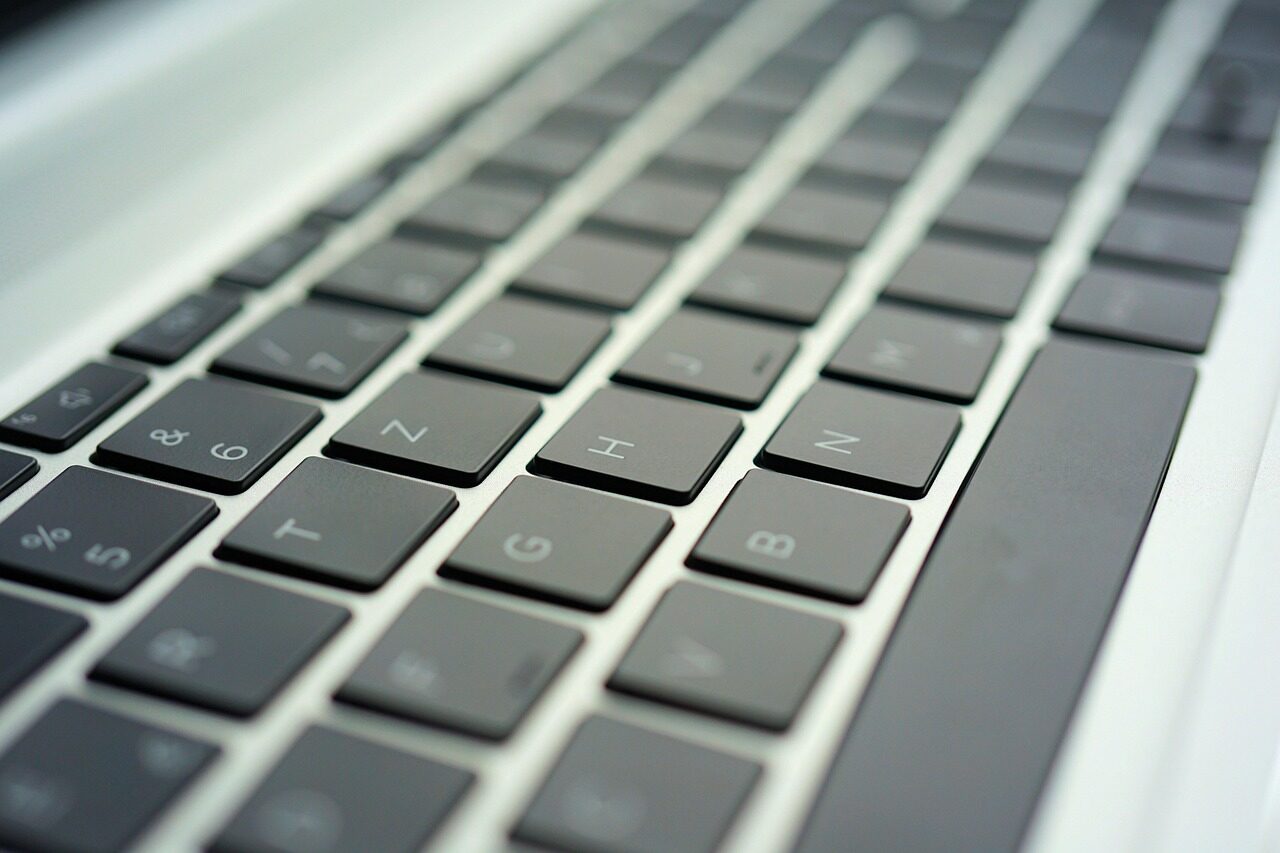
The fast, temporary space where a system keeps the information it is actively using.
The fast, temporary space where a system keeps the information it is actively using.
Memory is a computer's working surface. It is quick to reach but limited, so what lives there must be chosen carefully and cleared away when no longer needed. It holds the data a system is using right now, ready for immediate work.
Drivers manage their own slices of memory with care, since a mistake here can disturb far more than the single component they speak for. Memory is shared ground, and careless use by one part can ripple outward and trouble others.
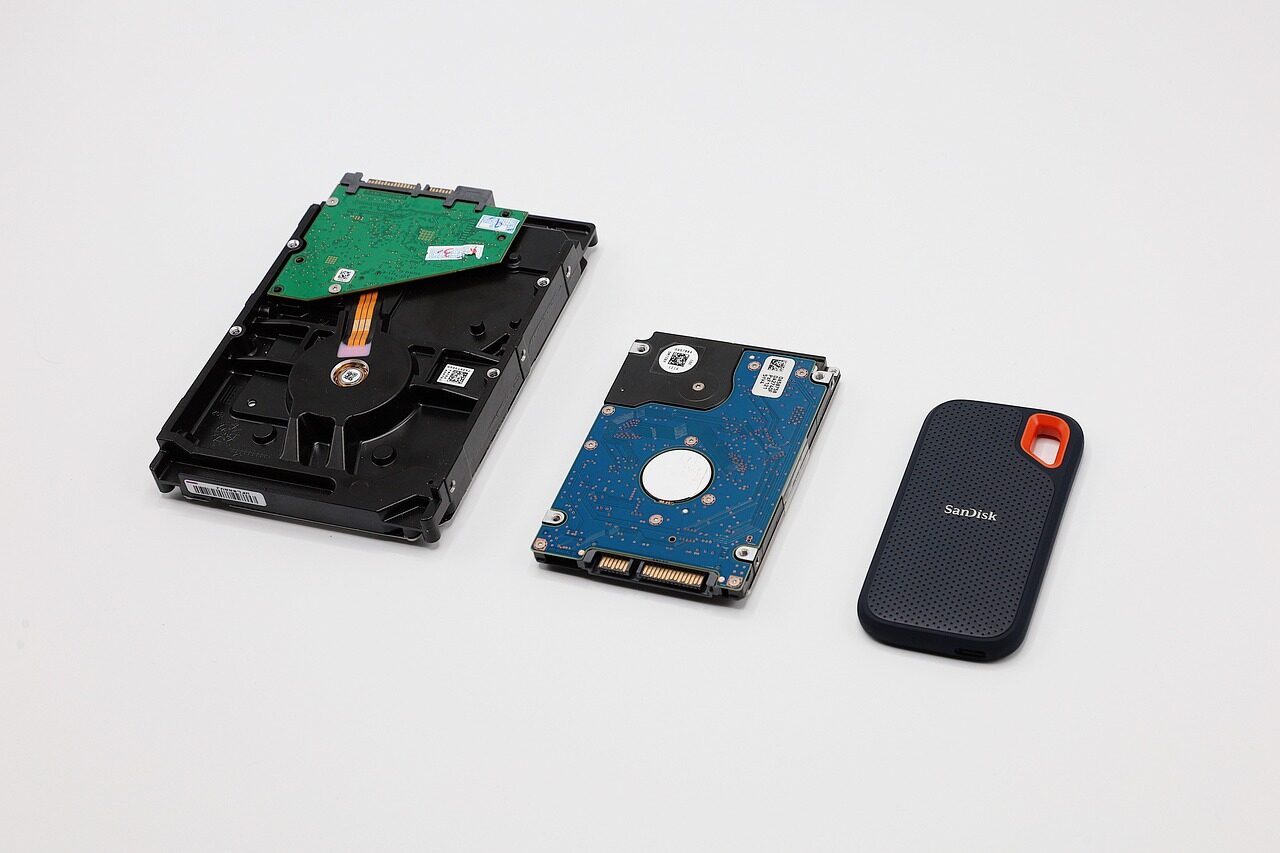
Memory is usually temporary. What it holds is meant for the moment, and when power is gone, so is its contents. This is the key difference from long-term storage, which keeps information safely even when the machine is switched off.
Because memory is both fast and scarce, managing it well is one of the central challenges in computing. Holding on to too much wastes a precious resource; releasing it too soon causes errors. The constant, careful balance between the two is happening quietly all the time.
In practice, memory is like the top of a desk while you work. You spread out the few papers you need right now so they are within easy reach, and you clear them away when you are done to make room for the next task. A computer keeps its active data on just such a working surface.
We use only essential cookies to keep this educational site working. See our Cookie Notice and Privacy Policy.