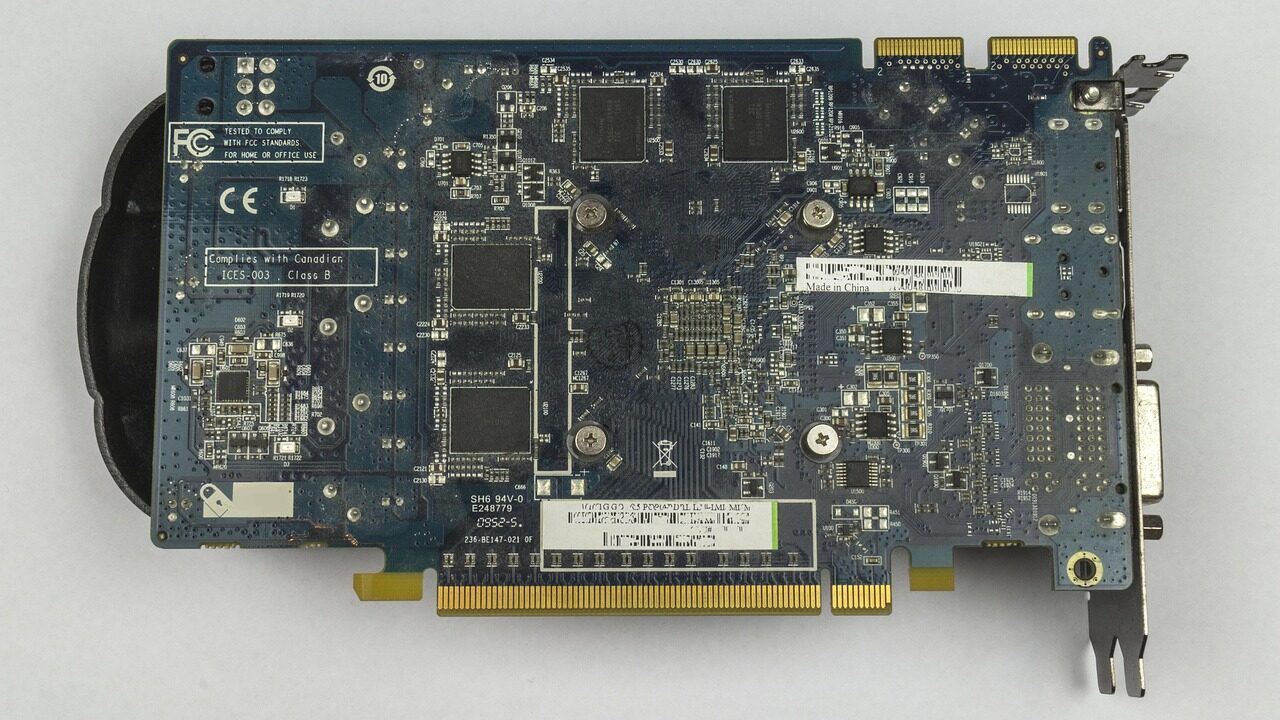
Graphics drivers turn abstract drawing requests into the precise stream of work a graphics processor needs to paint your screen. They sit behind everything you see — crisp text, smooth scrolling, video, and the busy motion of a modern interface — translating intent into millions of pixels, many times every second.
- Graphics drivers translate drawing requests into work the graphics processor can execute.
- They unlock specialised hardware built to compute huge numbers of pixels in parallel.
- They balance image quality against the need to deliver a new frame in time.
- Good graphics drivers are why the same display can feel sharper and smoother over time.
From request to pixel
When a program wants to draw something, it describes the result it wants rather than the steps to get there: a shape here, an image there, this text in that place. The graphics driver takes those descriptions and converts them into the low-level operations the graphics processor understands.
The graphics processor is built for one thing above all: doing the same simple calculation across enormous numbers of pixels at once. The driver's job is to feed it work in exactly the form it can chew through fastest, then deliver the finished image to the display.
Racing the clock
Smooth motion depends on delivering a fresh frame on a steady rhythm. Miss that rhythm and the eye notices immediately as stutter. So a graphics driver is constantly making trade-offs: how much detail can be computed in the time available before the next frame is due?
These decisions happen far too quickly for anyone to see them being made. What you experience is simply motion that feels fluid — or, when the balance is wrong, motion that does not.
Why updates can make hardware feel faster
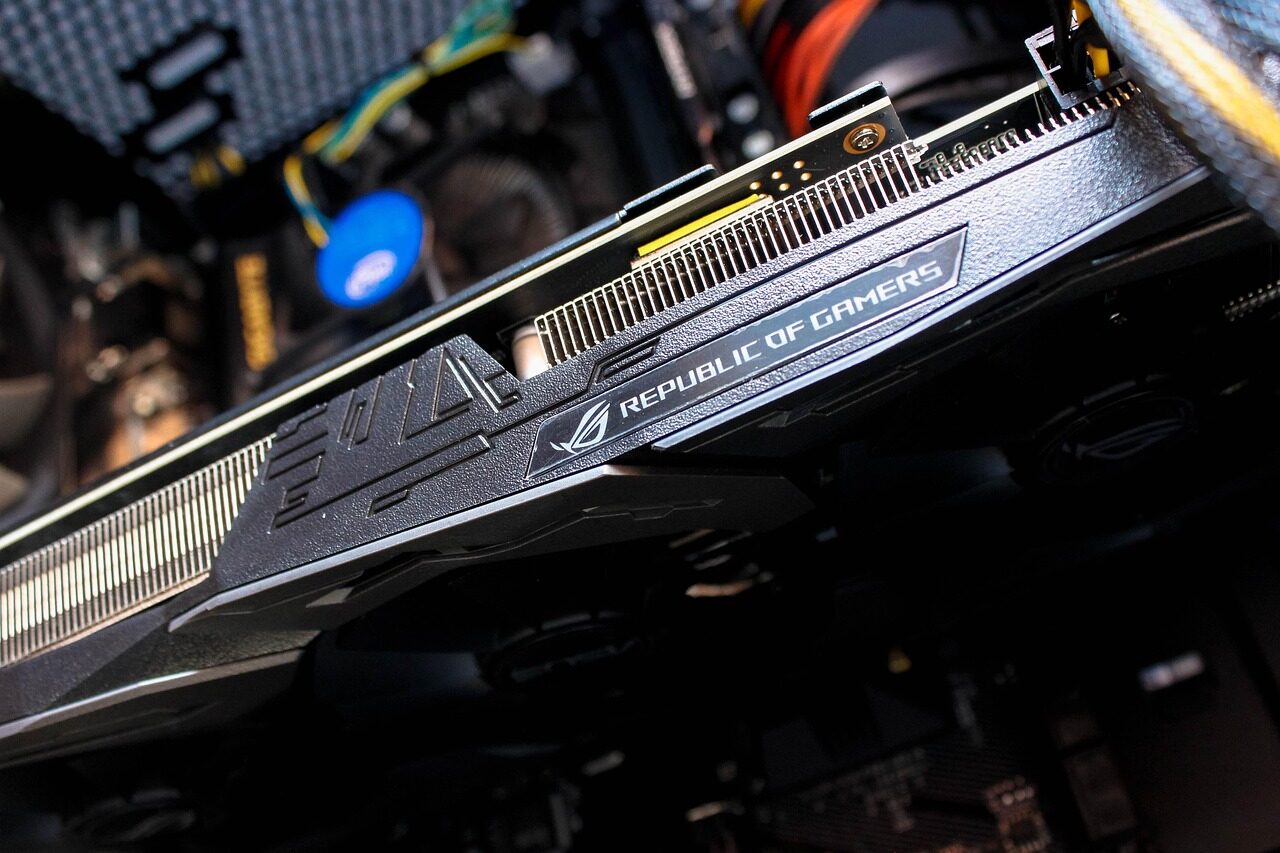
The same physical hardware can perform noticeably better as its driver improves. A smarter driver finds more efficient ways to organise the same work, wastes fewer cycles, and schedules the graphics processor more cleverly. Nothing about the silicon changed; the software guiding it got better.
This is one of the clearest places where a driver's quality is visible. Two machines with identical hardware can feel different purely because of the software translating drawing requests behind the scenes.
Do graphics drivers only matter for games?
No. Every modern interface leans on the graphics processor for smooth scrolling, video, and crisp text. The driver matters whenever anything moves or is drawn on screen, which is almost constantly.
Why can a graphics driver update change performance?
Because performance comes partly from how cleverly work is organised, not just from the hardware. A better driver can schedule the same work more efficiently, so the same machine renders frames faster.