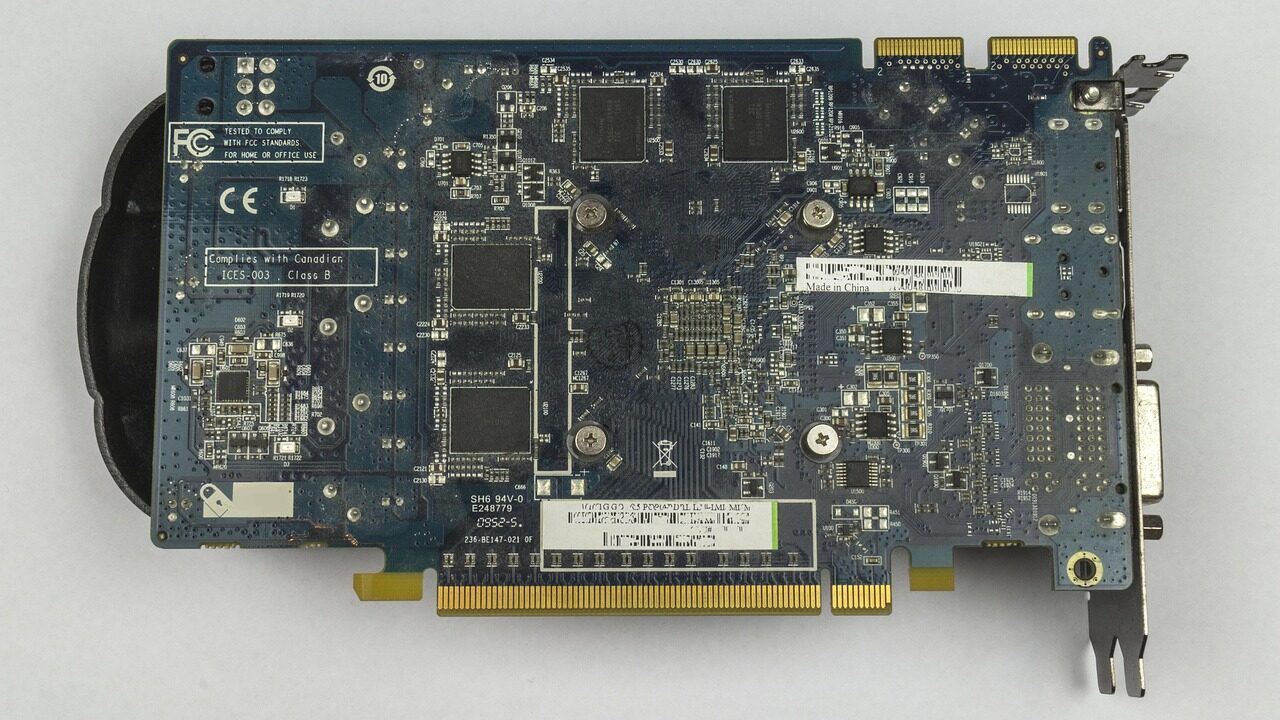
Chipset drivers are the quiet foundation beneath everything else. They govern how the components on the main board communicate — the pathways and traffic rules that let the processor, memory, and connected devices cooperate. Other drivers do their visible work on top of the groundwork chipset drivers lay.
- Chipset drivers manage how components on the main board talk to one another.
- They are foundational: other drivers depend on the pathways they set up.
- Their work is almost entirely invisible when everything is functioning.
- Missing chipset support can cause vague, hard-to-place problems across the system.
The roads, not the traffic
If specialised drivers are the vehicles, chipset drivers are the roads and traffic rules. They configure the internal pathways — the buses — along which data travels between the processor, the memory, and everything attached. They decide how that shared infrastructure is set up so that everyone can use it without collision.
Because this work is foundational, it usually happens early and then fades into the background. Once the pathways are correctly established, the components simply use them, and the chipset driver's role becomes invisible.
Why you rarely think about them
Most driver families are tied to something you can point to: a screen, a speaker, a connection. Chipset drivers are tied to the machine's own internal plumbing, which has no obvious face. When they are doing their job, there is nothing to notice.
That invisibility is a sign of success. The best foundation is one you never have to think about, because everything built on it simply works.
When the foundation is missing
Problems with chipset support tend to be diffuse rather than sharp. Instead of one device clearly failing, several things may feel slightly off — a connection that underperforms, power behaviour that seems wrong, devices that do not reach their full ability. The cause is hard to place precisely because it lies beneath everything else.
This is why chipset support is treated as groundwork. Getting it right is the first condition for every other driver to perform as it should.
Why are chipset problems so hard to diagnose?
Because chipset drivers underpin everything else, trouble there shows up as vague, scattered symptoms rather than one clear failure. Several things feel slightly wrong at once.
Do other drivers depend on the chipset driver?
Yes. The chipset driver sets up the internal pathways the other drivers rely on, so it is treated as foundational groundwork for the whole system.