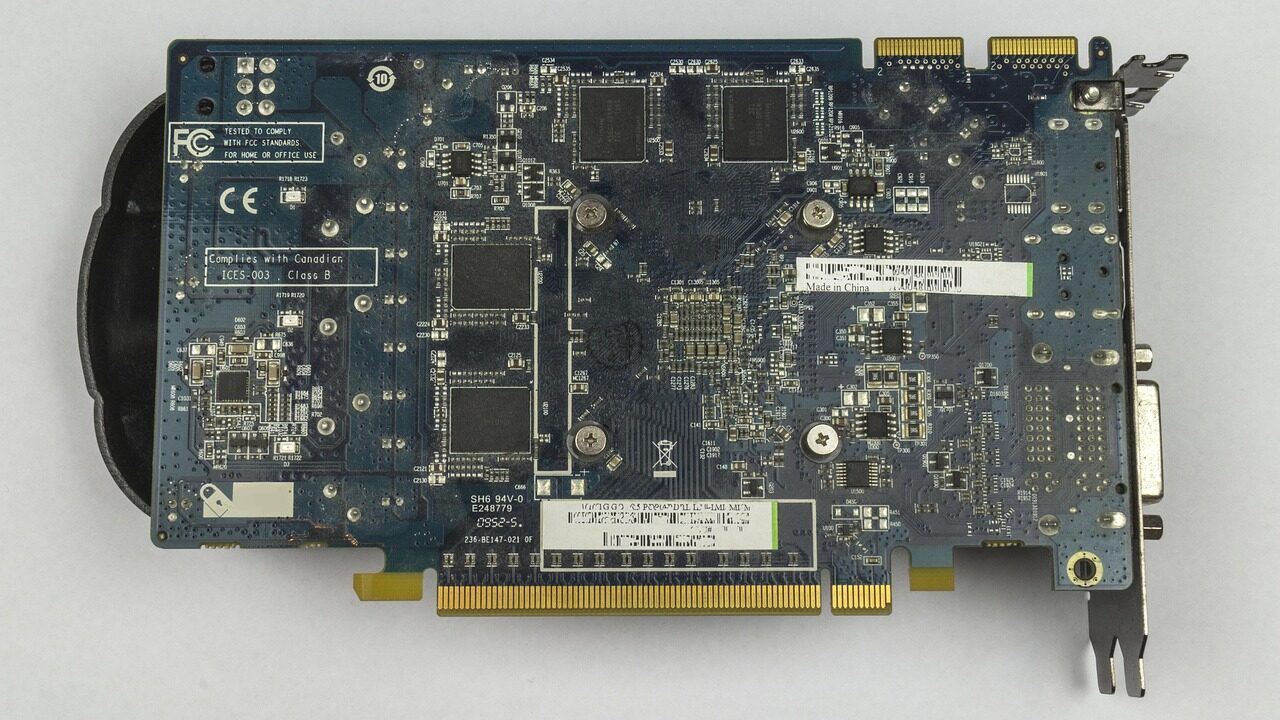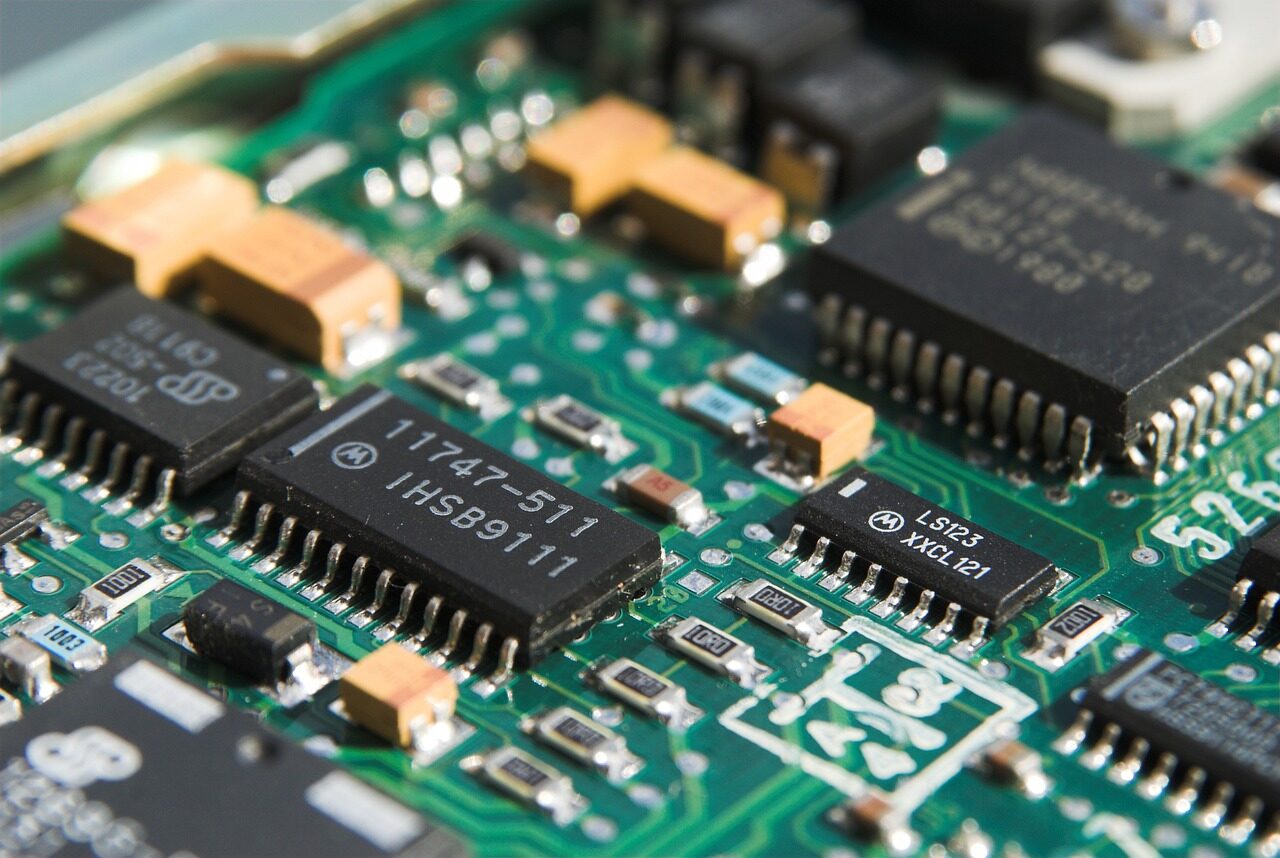
A device driver is the translator that sits between your software and a single piece of hardware. Programs speak in general requests; hardware understands only its own precise dialect of signals. The driver turns one into the other, in both directions, so neither side has to know how the other works.
- A device driver translates general software requests into the exact signals one device understands.
- It works in both directions, also carrying the device's responses back to the program.
- It lets programs stay simple — they ask for an outcome, not a sequence of hardware steps.
- Every other family of driver is a specialised version of this same translating idea.
The translator at the centre
Imagine a program that wants to save a file, play a sound, or send a message. It does not know — and should not need to know — the wiring of the exact hardware that will carry out the task. It simply states what it wants. The device driver receives that request and rewrites it into the specific commands the hardware expects.
The hardware does its work and answers back in its own terms. The driver translates that answer into something the program can understand. This quiet, two-way translation happens thousands of times a second, entirely out of sight.
Why this separation matters
Without drivers, every program would have to be written to control every possible device directly — an impossible amount of work, redone for each new piece of hardware. The driver breaks that dependency. Programs target a stable, general interface; drivers handle the messy specifics underneath.
This is why a new device can work with software written years before it existed. As long as a driver bridges the gap, the program never has to change. The driver absorbs the difference.
A pattern repeated everywhere
Every specialised driver — for sound, for graphics, for storage, for networking — is fundamentally a device driver tuned to one kind of hardware. They all share the same job: translate requests, carry responses, and hide complexity. Understanding the general device driver is the key that unlocks all the others.
What changes from one family to the next is the nature of the work: how fast it must be, how much data it moves, how much it can fail safely. The translating core stays the same.
Is a device driver the same as the device's firmware?
No. Firmware is small software that lives on the device itself. The driver runs on the computer and talks to the device. They cooperate, but they are separate layers.
Does every device need its own driver?
Most do, though many common devices are covered by a shared, general-purpose driver that understands a whole class of similar hardware.