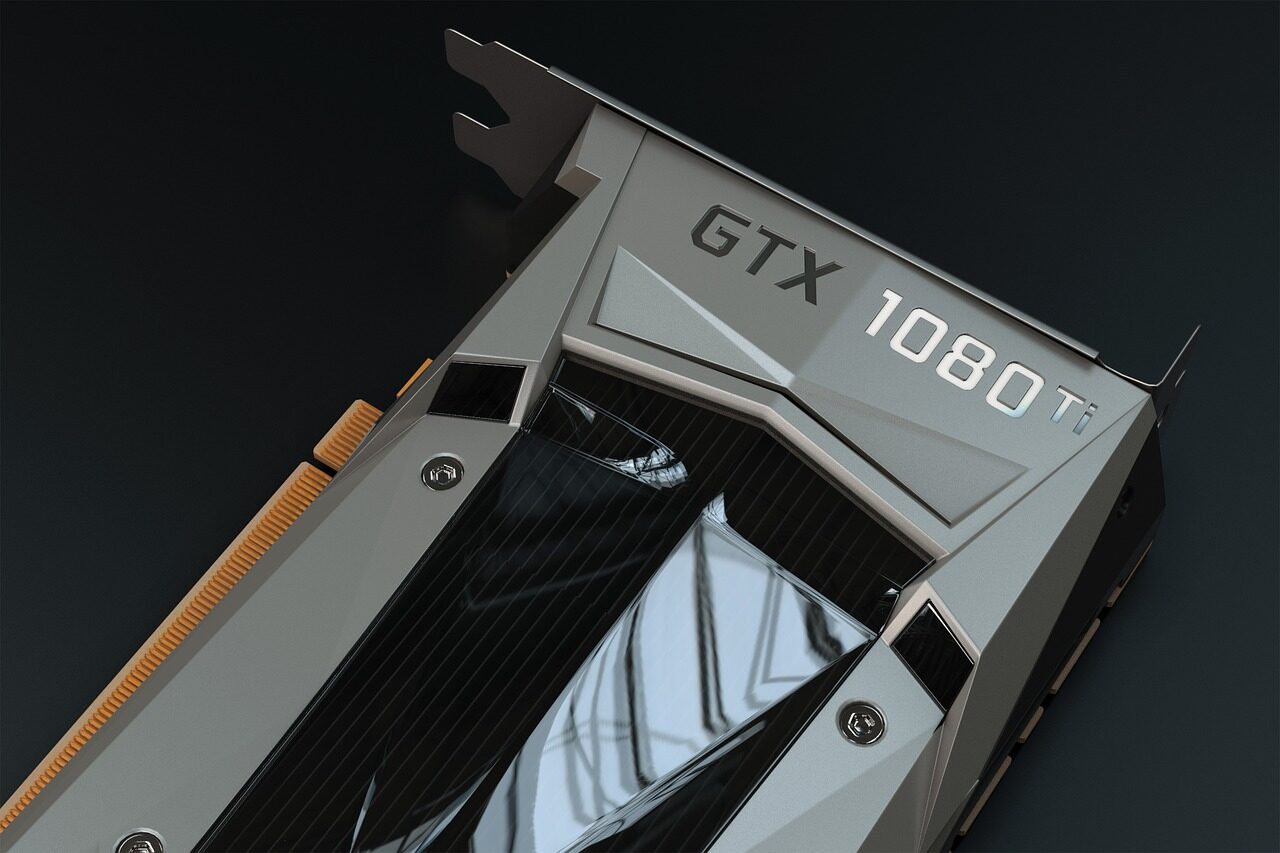
Abstraction
Hiding complex detail behind a simple, predictable way of asking for things.

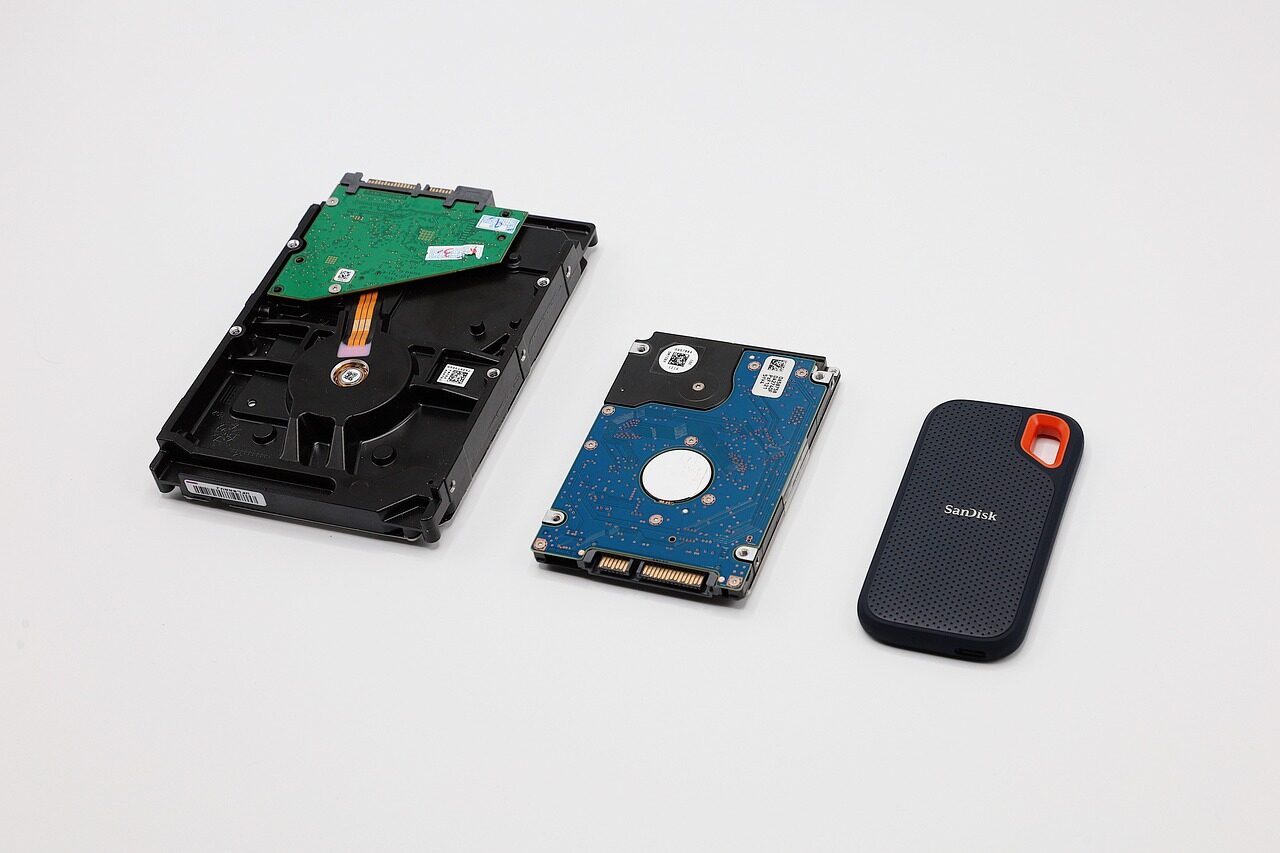
The agreed meeting point where two parts of a system exchange requests and answers.
The agreed meeting point where two parts of a system exchange requests and answers.
An interface is a contract. It says: ask in this shape, and you will get an answer in that shape. Neither side needs to know how the other is built, only that both honour the agreement. That shared promise is what allows independent parts to be joined together with confidence.
Drivers exist on both sides of an interface at once. They meet the system through one agreed interface and the hardware through another, quietly bridging the two. Each interface is a clean seam where one responsibility ends and another begins.
The strength of an interface is that it stays stable even as the parts behind it change. As long as the agreed shape of requests and answers is kept, either side can be rebuilt without disturbing the other. This is what lets a long-lived system absorb new parts without unravelling.
A clear interface is also a form of communication between the people who build systems. It states plainly what is expected and what is promised, so different teams, working at different times, can still produce parts that fit together neatly.
In practice, think of an electrical socket on the wall. Any device with the right plug can draw power, and neither the device nor the wiring needs to know anything else about the other. The socket is an interface: a fixed, agreed shape that lets two independent things connect reliably.
We use only essential cookies to keep this educational site working. See our Cookie Notice and Privacy Policy.