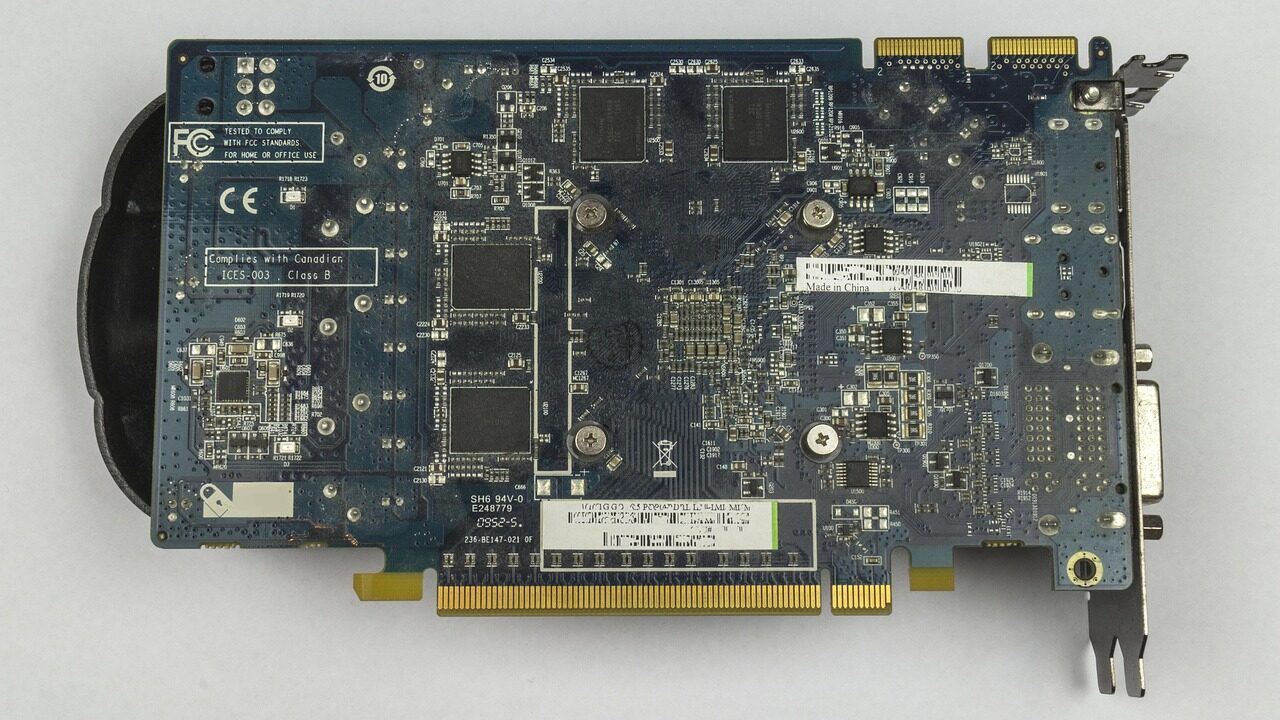
Bandwidth
The maximum rate at which data can move along a given pathway.


Deliberately holding back the pace of work to stay within safe or sensible limits.
Deliberately holding back the pace of work to stay within safe or sensible limits.
Throttling is the act of easing off on purpose. A system may slow the rate at which it drives a component to manage heat, conserve energy, or stay within the limits of a shared pathway. It is a deliberate choice, not a failure, made to keep things healthy.
A thoughtful driver throttles gracefully, trimming pace in a way that protects the component while keeping the experience as smooth as it can be. The goal is to ease back just enough, rather than slamming on the brakes.
Throttling often guards against heat. Working flat out generates warmth, and if that warmth builds too high, a part can be harmed, so easing the pace lets it cool and keeps it safe over the long run.
It can also keep things fair. When several parts share a limited resource, gently holding back the most demanding one leaves room for the others, so a single eager task does not crowd everything else out. A little restraint keeps the whole system balanced.
In practice, throttling is like easing off the accelerator on a long climb to keep the engine from overheating. You give up a little speed to protect the machine and finish the journey safely. A computer eases its own pace for the very same reasons.
We use only essential cookies to keep this educational site working. See our Cookie Notice and Privacy Policy.